
.jpeg)
Serpatinib: RET kinase inhibitor explained
1. Overview of drugs
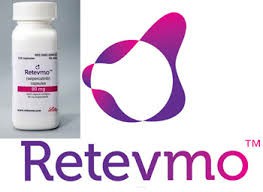
Septinib, also known as serpatinib, is an inhibitor ofRET kinase, designed to treat certain types of non-small cell lung cancer and thyroid cancer. The drug offers new hope for patients whose cancer has progressed, whose cancer has metastasized or has failed to respond to other treatments.
2. Indications
Seputinib is mainly used to treat the following conditions:
Certain types of non-small cell lung cancer in adults.
Certain types of thyroid cancer in adults and children at least 2 years old.
Before using seputinib, doctors make sure the patient's tumor type matches the drug's indications.
3. Usage and dosage
Adult dosage for non-small cell lung cancer:
Weight less than 50 kg: 120 mg orally twice daily until disease progression or unacceptable toxicity occurs.
Weight 50 kg or more: 160 mg orally twice daily until disease progression or unacceptable toxicity occurs.
Adult dosage for thyroid cancer:
Weight less than50 kg: 120 mg orally, 2 times a day.
Weight50 kg or above: 160 mg orally, 2 times a day.
Pediatric dosage for thyroid cancer ( 12 years and older):
Weight less than50 kg: 120 mg orally, 2 times a day.
Weight50 kg or above: 160 mg orally, 2 times a day.
4. Possible side effects
If you have an allergic reaction such as hives, trouble breathing, or swelling of your face, lips, tongue, or throat while using seputinib, be sure to seek emergency medical help right away.
You may feel dizzy while taking seputinib. If you notice a fast or pounding heart, shortness of breath, or sudden dizziness, contact your doctor immediately.
Seputinib may cause abnormal bleeding or symptoms of internal bleeding, such as bruising, nosebleeds, bleeding gums, abnormal vaginal bleeding, or any other bleeding that doesn't stop. In addition, weakness, dizziness, pink or brown urine, bloody or tarry stools, coughing up blood, or vomit with a coffee grounds-like substance may be signs of bleeding. Also be wary of wounds that don't heal, knee or hip pain that makes walking difficult, severe headaches, blurred vision, or severe tremors in the neck or ears.
The breakdown of tumor cells can cause a range of symptoms, including fatigue, feelings of weakness, muscle twitching, nausea, vomiting, diarrhea, irregular heartbeats, and tingling in the hands, feet, or around the mouth. Decreased thyroid function may manifest as fatigue, depressed mood, dry skin, thinning hair, decreased sweating, weight gain, facial swelling, and increased sensitivity to cold.
Sudden chest pain, wheezing, new or worsening cough, shortness of breath, or difficulty breathing are all possible side effects of seputinib. Liver problems may also occur, manifested by loss of appetite, nausea, vomiting, pain in the upper right abdomen, fatigue, itching, darker urine, clay-colored stools, or yellowing of the skin and eyes (jaundice). If these side effects occur, your cancer treatment may be affected or you may need to stop the drug temporarily or permanently.
In addition, some common side effects of seputinib include abnormal blood test results, high blood pressure, fever, fatigue, headache, bleeding, dry mouth, bone or muscle pain, stomach pain, nausea, vomiting, constipation or diarrhea, body swelling, coronavirus infection, and rash. Please note that this is not a complete list of side effects and other side effects not listed may occur.
5. Precautions and drug interactions
Seputinib can cause serious heart problems, especially when used with certain other medicines (such as those to treat infections, asthma, heart disease, etc.). The risk may be increased. Certain medicines, such as antacids and stomach acid medicines, may affect how well cepretinib works. Therefore, patients should follow specific intervals while taking these medications. Patients should inform their doctors of all other medications they are taking while taking seputinib, including prescription drugs, over-the-counter drugs, vitamins, and herbal products, to avoid possible drug interactions.
6. Storage method
Seputinib should be stored at room temperature and away from moisture and heat sources to ensure the stability and effectiveness of the drug.
Overall, seputinib, as an innovativeRET kinase inhibitor, provides a new treatment option for patients with specific types of cancer. However, like other medications, it can be associated with a range of side effects. Therefore, patients should pay close attention to their body's reaction when using it and communicate with their doctor in a timely manner to ensure the safety and effectiveness of the treatment.
[ 免责声明 ] 本页面内容来自公开渠道(如FDA官网、Drugs官网、原研药厂官网等),仅供持有医疗专业资质的人员用于医学药学研究参考,不构成任何治疗建议或药品推荐。所涉药品可能未在中国大陆获批上市,不适用于中国境内销售和使用。如需治疗,请咨询正规医疗机构。本站不提供药品销售或代购服务。


