
.jpeg)
Platinib’s mechanism of action
Pralsetinib, trade name: Pralsetinib®, is a highly efficient and highly selective inhibitor of receptor tyrosine kinase RET (Rearranged during Transfection).
Platinib effectively blocks the signaling pathway caused by RET gene variation by specifically inhibiting the activity of RET receptors. RETGene mutations have been found in a variety of tumors, especially non-small cell lung cancer (NSCLC), medullary thyroid cancer (MTC), and thyroid cancer. Platinib can precisely attack these mutations, thereby inhibiting the proliferation and spread of tumor cells.
In addition to directly inhibiting theRET receptor, platinib also exhibits inhibitory effects on multiple signaling pathways related to tumor growth and angiogenesis. These pathways include epidermal growth factor receptor (EGFR), vascular endothelial growth factor receptor (VEGFR), and platelet-derived growth factor receptor (PDGFR). This multi-target inhibitory effect helps to comprehensively attack tumors and improve treatment effects.
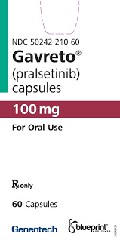
Platinib shows strong inhibitory effects on both primary and secondary mutations of theRET gene, which helps prevent the occurrence of clinical drug resistance. Drug resistance is a major problem in tumor treatment. Platinib can prolong the effective period of treatment for patients to a certain extent through its high selectivity and specificity.
Platinib has shown significant therapeutic effects in clinical trials. For patients with advanced or metastatic non-small cell lung cancer, platinib can significantly improve the patient's clinical symptoms, such as dyspnea, cough, chest pain, etc. At the same time, the drug can also cause tumor shrinkage and improve patients' quality of life.
Although platinib has significant therapeutic effects, there are some things to note and possible side effects during use. Patients usually undergo genetic testing to determine whether specific RET gene variants are present before use. In addition, platinib may cause side effects such as rash, diarrhea, nausea, and vomiting. Most of these side effects are mild to moderate and can be alleviated by adjusting the dose or giving symptomatic treatment. However, some patients may also experience serious side effects such as hypertension and interstitial lung disease, so the patient's physical condition needs to be closely monitored during use.
[ 免责声明 ] 本页面内容来自公开渠道(如FDA官网、Drugs官网、原研药厂官网等),仅供持有医疗专业资质的人员用于医学药学研究参考,不构成任何治疗建议或药品推荐。所涉药品可能未在中国大陆获批上市,不适用于中国境内销售和使用。如需治疗,请咨询正规医疗机构。本站不提供药品销售或代购服务。


