
.jpeg)
Can ivonib treat glioma?
Ivosidenib, a targeted drug targeting acute myeloid leukemia (AML) with IDH1 gene mutations, is gradually showing its potential in the treatment of other tumors, especially glioma. Glioma, a malignant tumor derived from glial cells in the brain or spinal cord, is common in low-grade gliomas and some malignant glioblastomas. IDH1 mutations are quite common.
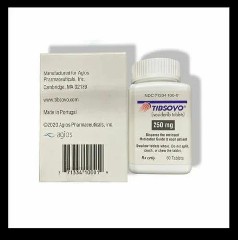
Given the presence of IDH1 mutations in gliomas, ivonib is being actively studied as an IDH1 inhibitor for the treatment of these specific gliomas. Preclinical and early clinical trial results suggest that ivonib may have a therapeutic effect on glioma patients with IDH1 mutations. The mechanism is similar to that in AML, that is, by inhibiting the mutated IDH1 enzyme, reducing the production of 2-hydroxyglutarate (2-HG), thereby inhibiting tumor growth.
However, despite the encouraging results, ivonib is not yet approved to treat glioma. Currently, its use remains limited to the clinical trial phase to assess safety and effectiveness. Therefore, whether ivonib can be used in patients with glioma needs to be judged on a case-by-case basis and usually within the framework of a clinical trial.
For patients with IDH1mutated glioma and considering the use of ivosidenib, it is recommended to consult a professional doctor and learn about clinical trial opportunities. Doctors can provide the most appropriate treatment suggestions based on the patient's condition and the latest research progress. In the absence of sufficient clinical evidence and formal approval, ivonib should not be used as a standard treatment for glioma.
[ 免责声明 ] 本页面内容来自公开渠道(如FDA官网、Drugs官网、原研药厂官网等),仅供持有医疗专业资质的人员用于医学药学研究参考,不构成任何治疗建议或药品推荐。所涉药品可能未在中国大陆获批上市,不适用于中国境内销售和使用。如需治疗,请咨询正规医疗机构。本站不提供药品销售或代购服务。


