
.jpeg)
How effective is mitotane treatment?
Mitotane, as a drug with significant anti-tumor effects, is widely used in the treatment of adrenocortical cancer and other malignant tumors. Its unique mechanism of action makes it irreplaceable in clinical practice and brings new treatment hope to many patients.
The therapeutic effect of mitotane is mainly reflected in its ability to inhibit the growth and spread of tumor cells. It inhibits tumor development by interfering with the metabolic process of tumor cells and blocking the nutrients needed for their growth. In practical applications, after receiving mitotane treatment, many patients' tumors have significantly shrunk, their condition has been effectively controlled, and their quality of life has been significantly improved.
Mitotan has not been studied in a comprehensive clinical development program. Existing clinical information comes primarily from published data in patients with inoperable or metastatic adrenal cancer. In terms of overall survival, four studies concluded that mitotane treatment did not increase survival, while five studies found an increase in survival. Among the latter, three studies found that this increase occurred only in patients with plasma mitotane above 14 mg/L.
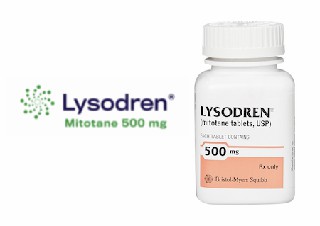
Mitotane plasma levels and their possible relationship to their efficacy were investigated in the FIRM ACT trial, a randomized, prospective, controlled, open-label, multicenter, parallel-group study designed to compare the efficacy of etoposide, doxorubicin, and cisplatin plus mitotane (EDP/M) to streptozotocin plus mitotane (Sz/M) as first-line therapy in 304 patients. An analysis of patients who achieved mitotane levels ≥14 mg/L at least once every 6 months versus those who achieved mitotane levels <14 mg/L suggested that patients with plasma mitotane levels ≥14 mg/L may have improved control (62.9% vs. 33.5%; p< 0.0001). However, this result should be treated with caution because examination of the mitotane effect was not the primary endpoint of the study.
In addition, mitotane can induce a state of adrenal insufficiency, leading to loss of Cushing's syndrome in patients with secretory adrenal carcinoma and requiring replacement hormone therapy.
However, it is worth noting that the therapeutic effect of mitotane is not immediate, but takes some time to appear. At the same time, because each patient's specific illness and physical condition are different, the response to mitotane will also vary. Therefore, during the treatment process, the doctor will adjust the treatment plan according to the patient's actual condition to achieve the best treatment effect.
In general, as an important anti-tumor drug, mitotane's therapeutic effect is significant. It can not only directly inhibit the growth and spread of tumors, but also regulate the body's immune function and enhance the patient's own disease resistance. Although the treatment effects may vary due to individual differences, as long as the patient actively cooperates with the doctor's treatment plan and maintains a good mentality and living habits, it is possible to defeat the disease and regain a healthy life.
[ 免责声明 ] 本页面内容来自公开渠道(如FDA官网、Drugs官网、原研药厂官网等),仅供持有医疗专业资质的人员用于医学药学研究参考,不构成任何治疗建议或药品推荐。所涉药品可能未在中国大陆获批上市,不适用于中国境内销售和使用。如需治疗,请咨询正规医疗机构。本站不提供药品销售或代购服务。


