
.jpeg)
The role and therapeutic effect of tucatinib
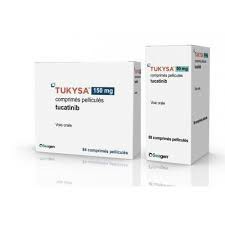
In April 2020, the U.S. FDA approved tucatinib (Tukysa), an oral HER2 tyrosine kinase inhibitor, in combination with trastuzumab and capecitabine for the treatment of adult patients with advanced HER2-positive breast cancer in the metastatic setting who have received one or more prior anti-HER2 regimens. The patient's breast cancer is either unresectable (cannot be removed with surgery) or metastatic (the cancer has spread to other parts of the body). The new approval also includes patients with breast cancer that has spread to the brain.
In the HER2CLIMB study, 612 patients received tucatinib 300 mg orally twice daily plus trastuzumab and capecitabine, or a placebo pill (containing no active ingredients) plus trastuzumab and capecitabine.
Patients were treated until disease progression or the patient experienced unacceptable side effects. The median duration of treatment in the tucatinib group was 5.8 months (range 3 days to 2.9 years).
The primary efficacy outcome measure is progression-free survival (PFS).
Patients who received tucatinib in combination with trastuzumab and capecitabine had a significantly reduced risk of cancer progression (cancer growth or spread) or death (progression-free survival) by 46% compared with patients who received placebo.
The median time without disease progression was 7.8 months in the tucatinib group and 5.6 months in the placebo group. Additionally, patients with brain metastases (where cancer has spread to the brain) also had a significantly reduced risk of cancer progression or death by 52%.
Tucatinib has helped people live longer, with the median overall survival of tucatinib being Median overall survival was 21.9 months (range, 18.3 to 31 months) compared with 17.4 months (range, 13.6 to 19.9 months) with trastuzumab and capecitabine + placebo. Median overall survival means that half of the patients taking tucatinib lived more than 21.9 months and the other half lived less than 21.9 months. The addition of tucatinib significantly reduced the risk of death (overall survival) by 34% compared with trastuzumab and capecitabine + placebo.
The median duration of response was 8.3 months (range, 6.2 to 9.7 months) in the tucatinib group and 6.3 months (range, 5.8 to 9.8 months) in patients who received trastuzumab and capecitabine + placebo.
However, like many other powerful drugs, tucatinib may come with certain side effects, such as diarrhea, nausea, and fatigue. Therefore, when using this drug, doctors will make individualized treatment decisions based on the patient's specific situation to ensure maximum treatment effects while minimizing adverse reactions.
In general, tucatinib, with its unique mechanism of action and significant therapeutic effect, occupies an important position in the treatment of HER2-positive breast cancer, bringing new hope and vitality to many patients.
[ 免责声明 ] 本页面内容来自公开渠道(如FDA官网、Drugs官网、原研药厂官网等),仅供持有医疗专业资质的人员用于医学药学研究参考,不构成任何治疗建议或药品推荐。所涉药品可能未在中国大陆获批上市,不适用于中国境内销售和使用。如需治疗,请咨询正规医疗机构。本站不提供药品销售或代购服务。


