
.jpeg)
Feasibility analysis of the use of erlotinib in patients with HER2 gene mutations
Erlotinib, as a tyrosine kinase inhibitor targeting epidermal growth factor receptor (EGFR), has shown efficacy in the treatment of non-small cell lung cancer (NSCLC). However, the feasibility of its use in patients with HER2 gene mutations is an issue worthy of further exploration.
Erlotinib mainly inhibits the growth of tumor cells by blocking the EGFR signaling pathway. It has a specific inhibitory effect on EGFRtyrosine kinase, thereby preventing the proliferation and survival of tumor cells. This mechanism makes erlotinib have a significant therapeutic effect in patients with EGFRmutated NSCLC.
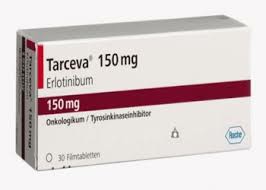
Although erlotinib mainly targets EGFR mutations, HER2 and EGFR belong to the ERBB family and have similar structural domains. Therefore, theoretically, erlotinib may also have a certain inhibitory effect on HER2 gene mutations. However, there are currently relatively limited data on the direct efficacy of erlotinib in patients with HER2 gene mutations.
In actual clinical application, the use of erlotinib is not commonly used in patients with HER2 gene mutations. This is mainly because there are currently more specific targeted drugs for HER2 gene mutations, such as trastuzumab and pertuzumab. These drugs have proven to have significant efficacy in HER2 positive breast cancer and gastric cancer in clinical trials.
However, some studies suggest that erlotinib may be an alternative treatment option in some patients with HER2 gene mutations who are resistant to other HER2-targeted drugs. In addition, erlotinib and otherHER2 The combined use of targeted drugs is also being studied in order to achieve better therapeutic effects.
The side effects of erlotinib mainly include rash, diarrhea and liver function damage. When using erlotinib, the patient's liver function and other related indicators need to be closely monitored to ensure the safety of the drug and patient tolerability. Particularly in patients with underlying risk factors, such as hepatic insufficiency or cardiovascular disease, more caution and dose adjustment should be used.
[ 免责声明 ] 本页面内容来自公开渠道(如FDA官网、Drugs官网、原研药厂官网等),仅供持有医疗专业资质的人员用于医学药学研究参考,不构成任何治疗建议或药品推荐。所涉药品可能未在中国大陆获批上市,不适用于中国境内销售和使用。如需治疗,请咨询正规医疗机构。本站不提供药品销售或代购服务。


