
.jpeg)
Mitotane resistance mechanism
Mitotan, an anti-cancer targeted drug, is mainly used to treat functional and non-functional adrenocortical cancer (ACC) that cannot be removed by surgery. It also has significant effects on adrenal cortical hyperplasia and hypercortisolism caused by tumors. It effectively reduces the proliferation of ACC cells by inhibiting mitochondrial respiration and causing mitochondria-related membrane dysfunction, and regulates the function and expression levels of multiple steroid hormone synthases, thereby reducing the secretory function of ACC cells.
However, during long-term use, mitotane may encounter resistance problems. This resistance occurs because tumor cells gradually adapt to the drug's mechanism of action and develop strategies to evade the drug's effect. The development of drug resistance is affected by multiple factors such as the patient's condition, constitution, and genetic background. Therefore, the time at which drug resistance develops varies among patients.
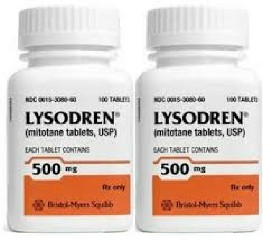
The resistance mechanism of mitotane is complex, and one important aspect is the change of related proteins in tumor cells. For example,P-glycoprotein (P-gp) plays a key role in the drug resistance process. P-gp is a transport protein located on the cell membrane, which can expel drugs from cells, thereby reducing drug efficacy. During mitotane treatment, tumor cells may reduce intracellular accumulation of the drug through high expression of P-gp, thereby developing drug resistance.
In addition tothe role of P-gp, the resistance mechanism of mitotane may also involve changes in intracellular signaling pathways, changes in the activity of drug metabolizing enzymes, and the regulation of apoptosis pathways. These complex biological processes work together to allow tumor cells to survive the stress of mitotane and continue to proliferate.
In order to deal with mitotane resistance, doctors will adjust the treatment plan according to the patient's specific situation, such as increasing the drug dose, changing drugs, or adopting a combination treatment strategy, in order to regain control of the tumor. At the same time, in-depth research on the resistance mechanism of mitotane also provides important reference and basis for the development of new anti-cancer drugs.
[ 免责声明 ] 本页面内容来自公开渠道(如FDA官网、Drugs官网、原研药厂官网等),仅供持有医疗专业资质的人员用于医学药学研究参考,不构成任何治疗建议或药品推荐。所涉药品可能未在中国大陆获批上市,不适用于中国境内销售和使用。如需治疗,请咨询正规医疗机构。本站不提供药品销售或代购服务。


