
.jpeg)
What is the difference between molotinib/mometinib and ruxolitinib tablets?
Momelotinib and Ruxolitinib are different in terms of pharmaceutical chemical structure, mechanism of action, clinical application and safety. Although both belong to the JAK (Janus kinase) inhibitor class of drugs and are used to treat diseases related to abnormalities in the JAK/STAT (signal transducer and activator of transcription) pathway, their specific characteristics and application scenarios are different.
1. From a pharmacological point of view, molotinib is a multi-target JAK (Janus kinase) inhibitor that mainly works by inhibiting JAK1 and JAK2. It can not only inhibit signaling pathways related to hematopoiesis, but also regulate other cell signaling pathways, which gives it unique advantages in the treatment of certain types of myeloproliferative tumors, such as primary myelofibrosis, polycythemia vera, etc. In addition, molotinib also exhibits a regulatory effect on macrophages, helping to improve tumor-related inflammatory responses.
In contrast, ruxolitinib is mainly a selective inhibitor of JAK1 and JAK2. It is mainly used clinically to treat intermediate and advanced primary myelofibrosis and other related diseases. The effect of ruxolitinib is mainly focused on inhibiting cytokine signal transduction, helping to reduce symptoms and improve patients' quality of life. However, due to its relatively single mechanism of action, ruxolitinib may not be able to fully control complex signaling pathways related to tumor development in some cases.
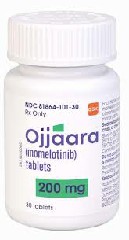
2. In terms of clinical effects, both have shown effectiveness in relieving symptoms, improving splenomegaly, and improving patients' quality of life. Studies suggest that molotinib may be more effective than ruxolitinib in certain patient groups, particularly those with significant anemia. Molotinib not only reduces splenomegaly caused by malignant tumors, but also improves symptoms associated with anemia, such as fatigue and feelings of weakness. Therefore, when choosing a treatment plan, doctors will comprehensively consider the patient's specific situation and pathological characteristics.
3. There are also certain differences between the two in terms of side effects. Common side effects of ruxolitinib include increased risk of infection, blood system abnormalities (such as hypothrombocytosis, anemia, etc.), abnormal liver function, etc. Relatively speaking, molotinib may produce some additional side effects, such as gastrointestinal reactions, dizziness, nausea, etc. Additionally, molotinib has shown a better safety profile in the management of anemia and may therefore be a superior option for patients with a predisposition to anemia.
4. From the perspective of tolerability, molotinib shows relatively good tolerance, especially when used for a long time. Relatively speaking, ruxolitinib may develop resistance in some patients, causing its therapeutic effect to gradually weaken, which limits its effectiveness in long-term use. In this regard, the multi-target action of molotinib may confer better long-term therapeutic potential.
Overall, although both mometinib and ruxolitinib are important treatment options, they have different mechanisms of action, indications, clinical effects, side effects and tolerability. Selecting the appropriate drug requires consideration of factors such as the patient's condition, treatment history, and response.
[ 免责声明 ] 本页面内容来自公开渠道(如FDA官网、Drugs官网、原研药厂官网等),仅供持有医疗专业资质的人员用于医学药学研究参考,不构成任何治疗建议或药品推荐。所涉药品可能未在中国大陆获批上市,不适用于中国境内销售和使用。如需治疗,请咨询正规医疗机构。本站不提供药品销售或代购服务。


