
.jpeg)
What is the efficacy of erlotinib in patients with KRAS mutated pancreatic cancer?
Pancreatic cancer is a highly malignant tumor. The incidence of KRAS gene mutations in pancreatic cancer is quite high. About 90% of pancreatic cancer patients have KRAS gene mutations. Erlotinib, as a targeted drug against EGFR (epidermal growth factor receptor), has been receiving much attention for its efficacy in patients with KRAS mutated pancreatic cancer.
Erlotinib is a small molecule tyrosine kinase inhibitor that mainly inhibits the proliferation, migration and angiogenesis of tumor cells by inhibiting the tyrosine kinase activity of EGFR and blocking the conduction of the EGFR signaling pathway. In pancreatic cancer, although KRAS gene mutation is the main driver gene, abnormal activation of the EGFR signaling pathway is also involved in the occurrence and development of tumors to a certain extent. Therefore, erlotinib may theoretically have a certain effect on some KRAS mutated pancreatic cancer patients.
In multiple clinical studies, erlotinib has been used in combination with chemotherapy (such as gemcitabine) to treat advanced or metastatic pancreatic cancer. However, the results of these studies showed that the improvement in overall survival (OS) and progression-free survival (PFS) with erlotinib plus chemotherapy was not significant compared with chemotherapy alone. This may be due to the complexity of pancreatic cancer and the impact of KRAS gene mutations on the EGFR signaling pathway.
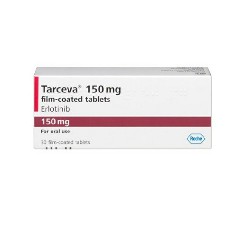
It is worth noting that in some pancreatic cancer patients with both KRAS and EGFR gene mutations, erlotinib combined with chemotherapy may show better efficacy. These patients are generally more sensitive to EGFR-targeted drugs and therefore may benefit more from erlotinib treatment. However, the proportion of such patients is relatively low, and no large-scale clinical studies have yet specifically evaluated this population.
Although the results of large-scale clinical studies are not satisfactory, there are still some case reports showing the potential efficacy of erlotinib in patients with KRAS mutated pancreatic cancer. For example, there are reports describing a pancreatic cancer patient with both KRAS and EGFR gene mutations who had stable disease control for 7 months after receiving erlotinib combined with gemcitabine. This result suggests that erlotinib may have a more significant therapeutic effect in certain patient groups.
KRASGene mutations come in many types and locations, and different mutations may lead to different biological behaviors and drug sensitivities. Therefore, the specific type and location of KRAS mutations may affect the efficacy of erlotinib.
The tumor microenvironment of pancreatic cancer is complex and highly immunosuppressive, which may affect the efficacy of targeted drugs such as erlotinib. At the same time, the patient's immune status may also affect the effectiveness of treatment.
Erlotinib is usually used in combination with other chemotherapy drugs, and different combination treatment regimens may have different effects on efficacy. Therefore, patient specific conditions and drug interactions need to be fully considered when selecting combination treatment regimens.
[ 免责声明 ] 本页面内容来自公开渠道(如FDA官网、Drugs官网、原研药厂官网等),仅供持有医疗专业资质的人员用于医学药学研究参考,不构成任何治疗建议或药品推荐。所涉药品可能未在中国大陆获批上市,不适用于中国境内销售和使用。如需治疗,请咨询正规医疗机构。本站不提供药品销售或代购服务。


