
.jpeg)
Adverse reactions and coping strategies during tazetostat treatment
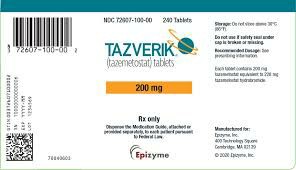
Tazemetostat, a targeted therapy drug targeting specific cancer types, has demonstrated its unique therapeutic effect in clinical practice, especially in the treatment of epithelioid sarcoma and follicular lymphoma. However, like all anti-cancer drugs, while tazerestat has therapeutic effects, it may also cause a series of adverse effects. It is important for patients and healthcare professionals to have a comprehensive understanding of these potential adverse effects and strategies to deal with them to ensure a safe and effective treatment process.
Common adverse reactions and mitigation measures
1.Intensified fatigue: Fatigue is one of the most common adverse reactions during tazerestat treatment. Patients may experience persistent fatigue and weakness, often directly related to medication. In order to alleviate this symptom, it is recommended that patients arrange rest time reasonably to avoid overexertion, and at the same time communicate with their doctors to explore possible relief methods, such as adjusting the time of drug use or using auxiliary treatments.
2.Gastrointestinal discomfort: Nausea, vomiting, loss of appetite and diarrhea are common gastrointestinal reactions during tazerestat treatment. These symptoms may be particularly noticeable in the early stages of treatment, but may lessen in some patients as treatment continues. Patients are advised to adopt a dietary pattern of small meals with frequent meals, avoid consuming irritating foods, and use anti-nausea medications under the guidance of a doctor to reduce discomfort.
3. Blood system abnormalities: Tazerestat may cause anemia, neutropenia, thrombocytopenia and other blood system abnormalities, thereby increasing the risk of infection and bleeding tendency. Therefore, regular monitoring of blood indicators is crucial. Doctors should promptly adjust drug dosages based on blood test results or suspend treatment when necessary to prevent serious complications.
4. Liver function damage: Tazerestat may have a certain impact on the liver, leading to abnormal liver function. To ensure liver health, patients should have regular liver function tests. Once elevated liver enzyme levels are found, doctors should quickly take measures, such as adjusting drug dosage or using other interventions, to protect liver function.
5.Increased risk of infection: Because tazerestat may cause leukopenia, the patient's immune system may be suppressed, thereby increasing the risk of infection. Therefore, patients should pay special attention to personal hygiene, avoid contact with sources of infection, and seek medical treatment promptly when symptoms of infection appear.
Rare but serious adverse reactions
1. Risk of malignancy: Although tazerestat is used to treat cancer, long-term use may increase the risk of other types of malignancies. Although this risk is relatively low, patients still need to remain vigilant during treatment and undergo relevant examinations regularly to rule out potential risks.
2.Skin reactions: Tazerestat may cause skin reactions such as rash and itching. Although these symptoms are usually mild, in some cases they can develop into serious skin problems. Therefore, patients should promptly report to their doctor when skin abnormalities occur so that appropriate treatment measures can be taken.
3. Cardiotoxicity: In rare cases, tazerestat may cause cardiotoxicity, including risk of irregular heartbeats and heart failure. Therefore, patients should undergo regular cardiac examinations during treatment, especially those with a history of heart disease, to ensure heart health.
Adverse reaction management strategy
To effectively manage the adverse effects of tazerestat, patients and physicians need to work closely together to develop a personalized treatment plan. Here are some suggested management strategies:
1.Regular monitoring: Patients should undergo regular blood tests, liver function and kidney function tests to detect potential adverse reactions in a timely manner. This helps doctors adjust treatment plans in a timely manner to ensure the safety and effectiveness of treatment.
2.Flexible adjustment of dosage: Based on the severity of adverse reactions, doctors should flexibly adjust the dosage of tazerestat. By reducing the amount of medication or adjusting the frequency of medication, the incidence and severity of adverse reactions can be reduced.
3.Symptomatic treatment: For specific adverse reactions experienced by patients, doctors should prescribe corresponding symptomatic treatment drugs. For example, anti-nausea medications may be used to relieve gastrointestinal discomfort, pain relievers may be used to reduce pain, or anti-infective medications may be used to prevent and treat infections.
4.Lifestyle adjustment: Patients can alleviate some adverse reactions by adjusting their diet, increasing rest and reducing physical activity. For example, maintaining a balanced diet can help improve gastrointestinal function, and getting more rest can help relieve fatigue.
In summary, tazerestat, as a targeted drug, has significant efficacy in the treatment of specific types of cancer. However, like other anti-cancer drugs, it is also associated with certain adverse reactions. To ensure the safety and effectiveness of treatment, patients and doctors should fully understand these potential adverse reactions and their response strategies, and maintain close communication and cooperation during the treatment process. Through effective monitoring and management, most adverse reactions can be controlled, thereby improving the patient's quality of life and ensuring the smooth progress of treatment.
[ 免责声明 ] 本页面内容来自公开渠道(如FDA官网、Drugs官网、原研药厂官网等),仅供持有医疗专业资质的人员用于医学药学研究参考,不构成任何治疗建议或药品推荐。所涉药品可能未在中国大陆获批上市,不适用于中国境内销售和使用。如需治疗,请咨询正规医疗机构。本站不提供药品销售或代购服务。


