
.jpeg)
How effective is the treatment with molotinib/mometinib?
Momelotinib is mainly used to treat adult patients with certain types of myelofibrosis who have anemia. It may also be used for purposes not listed in this Medication Guide, but only under the guidance of a physician . Its mechanism of action is mainly through inhibiting the JAK1 and JAK2 signaling pathways, thereby regulating immune responses and inhibiting the growth of tumor cells.
In a major study involving195 myelofibrosis patients with moderate to severe anemia who had been treated with the JAKi inhibitor ruxolitinib, molotinib was effective in improving myelofibrosis symptoms and shrinking the patients' spleens after 24 weeks of treatment. About 25% (32 of 130) of patients who received molotinib experienced at least a 50% reduction in myelofibrosis symptoms during the past 28 days of treatment, compared with 9% (6 of 65) of patients who received another drug, danazol. Approximately 22% of patients treated with molotinib (29 of 130) experienced at least a 35% reduction in spleen size, compared with approximately 3% (2 of 65) of patients treated with danazol.
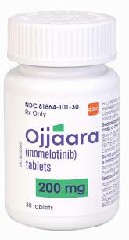
In this study, a higher proportion of patients who received molotinib were transfusion-free after 24 weeks of treatment, meaning they did not need red blood cell transfusions and had hemoglobin (the protein in red blood cells that carries oxygen throughout the body) levels of at least 8 g/dL. In the 12 weeks before Week 24, 30% (39 of 130) of patients treated with molotinib were transfusion-independent, compared with 20% (13 of 65) of patients treated with danazol.
In a second study involving 181 myelofibrosis patients with moderate to severe anemia who had not previously been treated with a JAKi, about 31% of molotinib patients (27 of 86) experienced at least a 35% reduction in spleen size after 24 weeks of treatment, compared with about a 33% reduction in ruxolitinib patients (31 of 95). Overall, 25% (21 of 86) of patients who received molotinib experienced at least a 50% reduction in myelofibrosis symptoms during the final 28 days of treatment, compared with 36% (34 of 95) of patients who received ruxolitinib.
Although molotinib was well tolerated in clinical studies, side effects also occur. The most common side effects at present (may affect more than 1 in 10 people) include diarrhea, thrombocytopenia (low blood platelet levels), nausea (feeling sick), headache, dizziness, fatigue, weakness, abdominal pain, and cough. The most common serious side effect is thrombocytopenia. At the same time, molotinib should not be used in patients who are pregnant or breastfeeding.
[ 免责声明 ] 本页面内容来自公开渠道(如FDA官网、Drugs官网、原研药厂官网等),仅供持有医疗专业资质的人员用于医学药学研究参考,不构成任何治疗建议或药品推荐。所涉药品可能未在中国大陆获批上市,不适用于中国境内销售和使用。如需治疗,请咨询正规医疗机构。本站不提供药品销售或代购服务。


