
.jpeg)
Are Erlotinib Hydrochloride Tablets covered by medical insurance?
Erlotinib Hydrochloride Tablets have been included in the scope of medical insurance reimbursement and are classified as Class B drugs in medical insurance. This means that patients can enjoy a certain level of medical insurance reimbursement when purchasing the drug. However, specific reimbursement ratios and reimbursement policies will vary by region and insurance institution.
Due to differences in medical insurance policies and economic levels in various regions, the reimbursement ratio of erlotinib hydrochloride tablets will also vary. Generally speaking, the reimbursement ratio is between 50% and 70%. This means the patient will need to pay the remaining portion of the drug cost out of pocket. In order to obtain more accurate reimbursement information, it is recommended that patients consult the local medical insurance department or insurance agency for relevant policies before seeking medical treatment.
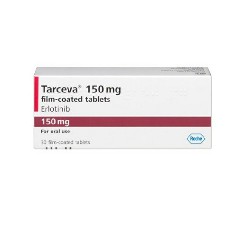
In addition to medical insurance payment, patients can also consider other payment methods to purchase erlotinib hydrochloride tablets, such as commercial insurance, medical assistance, etc. These payment methods may have different policies and requirements, and patients should choose the appropriate method based on their circumstances to further reduce drug costs.
Erlotinib can inhibit the phosphorylation of intracellular tyrosine kinases related to epidermal growth factor receptor (EGFR), thereby playing an anti-tumor role. It is mainly used for the treatment of locally advanced or metastatic non-small cell lung cancer after failure of at least one previous chemotherapy regimen. In addition, erlotinib can also be used for the maintenance treatment of patients with locally advanced or metastatic NSCLC whose disease is stable after 4 cycles of platinum-based first-line chemotherapy.
The recommended dose of erlotinib is 150 mg daily, taken at least one hour before or two hours after eating. Patients should continue taking the drug until disease progression or intolerable toxicity occurs.
Common adverse reactions of erlotinib include rash, diarrhea, tiredness, itching, stomach upset, loss of appetite, oral irritation or oral ulcers, etc. In addition, there are some less common but potentially serious adverse reactions, such as allergic reactions, liver problems, kidney problems, vision changes, etc. Patients should pay close attention to their body's reactions during medication and seek medical treatment promptly when necessary. .
[ 免责声明 ] 本页面内容来自公开渠道(如FDA官网、Drugs官网、原研药厂官网等),仅供持有医疗专业资质的人员用于医学药学研究参考,不构成任何治疗建议或药品推荐。所涉药品可能未在中国大陆获批上市,不适用于中国境内销售和使用。如需治疗,请咨询正规医疗机构。本站不提供药品销售或代购服务。


