
.jpeg)
How effective is Erlotinib tablets in treating pancreatic cancer?
Erlotinib tablets (Erlotinib) is a molecularly targeted therapy drug that is an epidermal growth factor receptor (EGFR) tyrosine kinase inhibitor. It exerts anti-tumor effects by blocking the EGFR signal transduction pathway and inhibiting cell proliferation and tumor growth. In the treatment of pancreatic cancer, erlotinib mainly targets tumor cells overexpressing EGFR. These cells rely on the EGFR signaling pathway to maintain their survival and proliferation.
Since the new century, an international multi-center clinical study has shown that erlotinib has significant clinical effects in the treatment of advanced pancreatic cancer. The study included hundreds of patients with locally advanced or metastatic pancreatic cancer. Compared with patients treated with gemcitabine chemotherapy alone, the overall survival rate of patients treated with gemcitabine combined with erlotinib was significantly improved. This result not only proved the effectiveness of erlotinib in the treatment of pancreatic cancer, but also prompted the FDA (U.S. Food and Drug Administration) to approve the combination of erlotinib and gemcitabine as the standard first-line treatment for advanced pancreatic cancer in April 2005.
Erlotinib also passed Phase III clinical trials and was successful, becoming the only anti-angiogenic drug that has passed this phase of trials and been approved for the treatment of advanced local or distant metastatic pancreatic cancer. Clinical trial results show that patients treated with erlotinib have prolonged overall survival and progression-free survival, and the 1 annual survival rate has been significantly improved. These results indicate that erlotinib has clear clinical benefit in the treatment of pancreatic cancer.
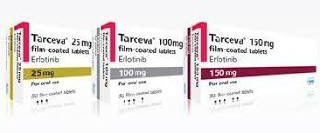
Erlotinib can specifically act on the EGFR target of pancreatic cancer cells, blocking its signal transduction pathway, thereby inhibiting the proliferation and growth of tumor cells. This mechanism of action makes erlotinib excellent at prolonging patient survival. Multiple clinical studies have shown that patients treated with erlotinib in combination with chemotherapy live longer than those treated with chemotherapy alone.
In addition to prolonging survival, erlotinib can significantly improve the survival rate of patients with pancreatic cancer. This is mainly due to its specific killing effect on tumor cells and minor adverse reactions. In clinical trials, the survival rate of patients treated with erlotinib was significantly higher than that of patients treated with chemotherapy alone.
Erlotinib can effectively control the progression of pancreatic cancer. For patients with pancreatic cancer in which EGFR is overexpressed, erlotinib can significantly inhibit tumor growth and metastasis, thereby slowing down the progression of the disease. This gives patients more time to receive other treatments or make quality-of-life improvements.
Compared with traditional chemotherapy drugs, the adverse effects of erlotinib are relatively small and mild. Common side effects include rash, diarrhea, decreased sensation, cough, difficulty breathing, and loss of appetite. These adverse reactions can usually be alleviated or controlled through appropriate medication adjustments or symptomatic treatment. Therefore, erlotinib has high safety and tolerability in the treatment of pancreatic cancer.
When considering erlotinib for the treatment of pancreatic cancer, individual patient differences and the molecular characteristics of the tumor should be fully assessed. EGFRPatients with pancreatic cancer overexpressing EGFR respond better to erlotinib, but not all types of pancreatic cancer are suitable. Therefore, necessary genetic testing should be performed before treatment to determine whether the tumor is sensitive to erlotinib.
Treatment of pancreatic cancer usually requires comprehensive treatments, including surgery, chemotherapy, radiotherapy and targeted therapy. Erlotinib, as a type of targeted therapy, can be used in combination with other treatments to improve treatment effectiveness. When formulating a treatment plan, comprehensive consideration should be given to the patient's specific condition and physical condition.
[ 免责声明 ] 本页面内容来自公开渠道(如FDA官网、Drugs官网、原研药厂官网等),仅供持有医疗专业资质的人员用于医学药学研究参考,不构成任何治疗建议或药品推荐。所涉药品可能未在中国大陆获批上市,不适用于中国境内销售和使用。如需治疗,请咨询正规医疗机构。本站不提供药品销售或代购服务。


