
.jpeg)
Brief instructions for use of lenvatinib
Lenvatinib (also known as: Lenvatinib, Lenvatinib), as a multi-target tyrosine kinase inhibitor, is widely used in the treatment of various malignant tumors such as renal cancer, liver cancer, and thyroid cancer. To ensure patients can use lenvatinib safely and effectively, the following is a concise guide to its use.
1. Dosage and specifications
The dosage of lenvatinib needs to be determined based on the patient's specific condition and weight. Generally speaking, for patients with hepatocellular carcinoma (HCC), the recommended daily dose for those weighing less than 60kg is 8mg (two 4mg capsules), and for those weighing greater than or equal to 60kg, the recommended daily dose is 12mg (three 4mg capsules), taken orally once a day. For patients with differentiated thyroid cancer (DTC), the recommended dose is 24 mg (six 4 mg capsules) once daily. For patients with endometrial cancer (EC), when lenvatinib is used in combination with pembrolizumab, the recommended dose is 20 mg, which is five 4 mg tablets of lenvatinib taken orally once daily. For patients with renal cell carcinoma (RCC), if combined with pembrolizumab, the recommended dose is also 20 mg once a day; if combined with everolimus, the recommended dose is 18 mg, that is, two 4 mg pills and one 10 mg pill of lenvatinib taken orally once a day. Be sure to follow your doctor's prescription and do not increase or decrease the dosage on your own.
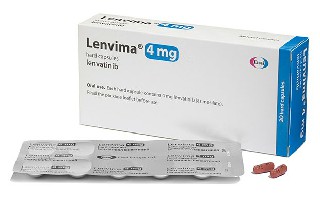
1. How to take
Lenvatinib is in capsule form and should be swallowed whole and avoid opening or crushing. It can be taken with or without food, but the daily medication time should be roughly fixed. It is recommended to take the medicine with a glass of water to ensure that the medicine enters the body smoothly. If the patient has difficulty swallowing the capsule, mix it with a tablespoon of water or apple juice in a glass to form a suspension before taking it. Note that the capsule must stay in the liquid for at least 10 minutes, stir for at least 3 minutes to dissolve the capsule shell, and then swallow the suspension. After drinking, add the same amount of water or apple juice, stir and drink up to ensure complete intake of the medication.
2. Precautions
1. Monitoring indicators: During treatment, blood, blood pressure, kidney function, liver function and electrocardiogram should be monitored regularly to detect and deal with adverse reactions in a timely manner.
2. Adverse reactions: Lenvatinib may cause adverse reactions such as hypertension, hand-foot syndrome, and diarrhea. Mild to moderate adverse reactions generally do not require discontinuation of medication, but severe or intolerable adverse reactions require prompt notification to the doctor and consideration of suspension of medication.
3. Contraception and pregnancy: Lenvatinib may affect fertility. Women of childbearing potential should avoid pregnancy and take effective contraceptive measures during and for at least one month after the end of treatment.
4. Follow medical advice
Most importantly, patients should strictly follow their doctor's instructions and prescriptions when using lenvatinib. Do not change the dosage or stop medication without authorization to avoid affecting the therapeutic effect or increasing unnecessary risks. If you have any questions or discomfort, you should consult your doctor or pharmacist in time.
Through the above brief usage guide, we hope to help patients better understand and use lenvatinib. Currently, this drug is sold in both original and affordable generic versions. Please choose according to your needs, but be sure to purchase through regular channels and be careful to identify the authenticity of the drug.
[ 免责声明 ] 本页面内容来自公开渠道(如FDA官网、Drugs官网、原研药厂官网等),仅供持有医疗专业资质的人员用于医学药学研究参考,不构成任何治疗建议或药品推荐。所涉药品可能未在中国大陆获批上市,不适用于中国境内销售和使用。如需治疗,请咨询正规医疗机构。本站不提供药品销售或代购服务。


