
.jpeg)
Dacomitinib (Dacomitinib) is the first generation targeted drug
Dacomitinib, also known as dacomitinib, is a second-generation targeted drug. It is mainly used to treat patients with locally advanced or metastatic non-small cell lung cancer who have epidermal growth factor receptor (EGFR) exon 19 deletion mutations or exon 21 L858R substitution mutations. This drug is designed to improve patients' quality of life by inhibiting the growth of tumor cells and slowing disease progression.
Compared with first-generation targeted drugs, such as gefitinib and icotinib, dacomitinib has a longer-lasting and better inhibitory effect. This is because dacomitinib can irreversibly bind to the EGFR mutant protein, thereby theoretically providing stronger anti-tumor activity. In addition, dacomitinib also demonstrates an inhibitory effect on related proteins such as HER2 and HER4, which may help delay drug resistance problems caused by activation of alternative pathways such as HER2 and produce therapeutic effects on patients with HER2 and EGFR20ins.
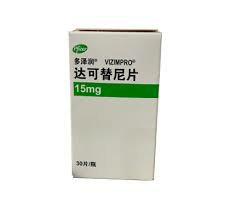
In clinical applications, the recommended dose of dacomitinib is 45 mg orally once daily.It can be taken with or without food. For elderly and frail patients with poor tolerance, the starting dose can be 30 mg once daily. Patients should take this drug at approximately the same time each day to ensure stable blood levels. If vomiting or missed doses occur, patients should not take additional doses but should continue taking the prescribed dose at the next dose time.
Although dacomitinib has shown significant efficacy in the treatment of non-small cell lung cancer, it may also cause some side effects, such as diarrhea, rash, paronychia, oral mucositis, and dry skin. Therefore, while using dacomitinib, patients should pay close attention to their physical condition and promptly report any discomfort to their doctor. Doctors will adjust the drug dosage based on the patient's tolerance and condition to ensure the safety and effectiveness of the treatment.
In general, dacomitinib, as a second-generation targeted drug, plays an important role in the treatment of non-small cell lung cancer. It provides durable and effective anti-tumor effects by irreversibly bindingEGFR mutant proteins and other related proteins, thereby helping patients prolong survival and improve quality of life.
[ 免责声明 ] 本页面内容来自公开渠道(如FDA官网、Drugs官网、原研药厂官网等),仅供持有医疗专业资质的人员用于医学药学研究参考,不构成任何治疗建议或药品推荐。所涉药品可能未在中国大陆获批上市,不适用于中国境内销售和使用。如需治疗,请咨询正规医疗机构。本站不提供药品销售或代购服务。


