
.jpeg)
Erlotinib Hydrochloride Tablets User Manual and Comprehensive Analysis
Indications
Erlotinib is a targeted drug used to treat non-small cell lung cancer (NSCLC). The indications include:
1.Monotherapy: Erlotinib can be used as a monotherapy option for patients with locally advanced or metastatic non-small cell lung cancer who have failed at least one previous chemotherapy regimen.
2.Maintenance treatment: After receiving platinum-based first-line chemotherapy, if the disease status is stable (usually after four courses of treatment), erlotinib can be used for maintenance treatment of patients with locally advanced or metastatic non-small cell lung cancer.
Mechanism of action
The primary mechanism of erlotinib is as a tyrosine kinase inhibitor that specifically targets the epidermal growth factor receptor (EGFR). EGFRis overexpressed in a variety of malignant tumors, especially in the pathological process of non-small cell lung cancer. By inhibiting the activity of EGFR, erlotinib can effectively prevent the proliferation and growth of tumor cells.
In addition, erlotinib also has certain anti-angiogenic effects. It inhibits the tyrosine kinase activity of vascular endothelial growth factor receptor-2 (VEGFR-2), thereby reducing the formation of tumor-associated blood vessels. This mechanism means that the supply of nutrients and oxygen to the tumor will be restricted, thereby inhibiting the growth and spread of tumor cells.
Medication method
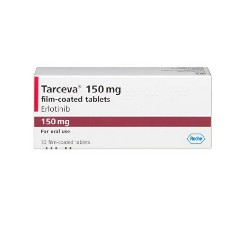
The recommended dose of erlotinib is 150 mg taken orally once daily. Patients should continue taking the drug until disease progression or unacceptable toxicity occurs. Follow your doctor's guidance and recommendations to ensure optimal treatment results.
side effects
The use of erlotinib may cause some side effects, including the following:
1.Skin reaction: Common symptoms include rash, itching and dry skin. Among them, the incidence of rash is relatively high, and clinical trial data show that about 40%-80% of patients will be affected. Therefore, patients should keep their skin moist, avoid scratching, and consult their doctor to use anti-allergic medications if necessary.
2.Gastrointestinal discomfort: Common reactions include diarrhea, nausea, vomiting and loss of appetite. Diarrhea is the most common reaction, with an incidence rate of approximately 50%. For mild diarrhea, patients can control it by adjusting their diet or using antidiarrheal drugs (such as montmorillonite powder), but if symptoms persist or worsen, they should seek medical treatment in time.
3.Abnormal liver function: Some patients may have elevated liver enzymes, so liver function needs to be monitored regularly. If abnormal liver function is found, the dose needs to be adjusted or other treatment measures taken according to the doctor's advice.
4.Other serious side effects: Although the incidence is low, they include interstitial lung disease, cardiovascular and cerebrovascular diseases, microvascular hemolytic anemia caused by thrombocytopenia, as well as hepatitis, liver failure and other issues that require vigilance. Once the above side effects occur, you should stop taking the medicine immediately and seek medical help.
Warnings and precautions
It is contraindicated in patients who are allergic to erlotinib or its components, as allergic reactions may be serious or even life-threatening. In addition, this drug may cause harm to the fetus, so pregnant and breastfeeding women should avoid using it. This drug should also be avoided in patients with rare genetic diseases, such as galactose intolerance and Lapp lactase deficiency. Patients with extremely damaged liver function need to be especially cautious, as it may cause serious eye diseases such as corneal perforation or ulcers. If symptoms such as eye pain occur, they should seek medical attention immediately. During treatment, patients also need to regularly monitor liver function and serum electrolytes to ensure the safety of the medication.
drug interactions
1.Enzyme inducers: such as rifampicin, may reduce the plasma concentration of erlotinib, thus weakening its efficacy.
2.Enzyme inhibitors: such as paclitaxel, may increase the plasma concentration of erlotinib, thereby increasing the risk of adverse reactions.
3.Proton pumpinhibitorsandH2receptor antagonistsInhibitors: such as omeprazole and ranitidine, may reduce the bioavailability of erlotinib, thereby reducing its efficacy.
4.Anticoagulant drugs: Used in combination with coumarin anticoagulants (such as warfarin), may increase the risk of bleeding.
Medication for special populations
Pregnant and lactating women and patients with severe liver damage should exercise extreme caution when using erlotinib and be sure to follow the professional guidance of their doctor to reduce potential risks.
[ 免责声明 ] 本页面内容来自公开渠道(如FDA官网、Drugs官网、原研药厂官网等),仅供持有医疗专业资质的人员用于医学药学研究参考,不构成任何治疗建议或药品推荐。所涉药品可能未在中国大陆获批上市,不适用于中国境内销售和使用。如需治疗,请咨询正规医疗机构。本站不提供药品销售或代购服务。


