
.jpeg)
How significant is the difference between erlotinib and anlotinib?
Erlotinib Its main ingredient is erlotinib, which is a potent EGFR (epidermal growth factor receptor) phosphorylation inhibitor. In non-clinical trials, inhibition of EFGF phosphorylation can cause cell growth arrest or death, indicating that erlotinib can exert anti-tumor effects by inhibiting intracellular EGFR phosphorylation.
Anlotinib, its main component, is a multi-target receptor tyrosine kinase (RTK) inhibitor. It achieves anti-tumor effects by secreting growth factors to achieve normal growth and reproduction of tumor cells and inhibiting the production of various growth factor receptor kinases in blood vessels.
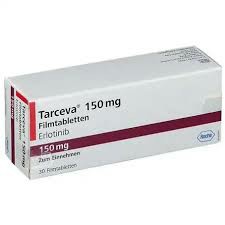
Erlotinib is mainly used to treat patients with locally advanced or metastatic non-small cell lung cancer (NSCLC) who have sensitive mutations in the epidermal growth factor receptor (EGFR) gene. This includes first-line treatment, maintenance treatment, or second-line or above treatment after progression on at least one prior chemotherapy.
Anlotinib is suitable for the treatment of patients with locally advanced or metastatic non-small cell lung cancer who have progressed or relapsed after receiving at least two previous systemic chemotherapy. In addition, it can be used to treat other advanced soft tissue sarcomas such as alveolar soft tissue sarcoma and clear cell sarcoma.
Patients may experience side effects such as skin and subcutaneous tissue abnormalities (such as rash), digestive dysfunction, and abnormal liver and kidney function tests after taking erlotinib.
The important side effects of anlotinib include bleeding, hypertension, myocardial ischemia, proteinuria, hand-foot syndrome, etc. In addition, patients may also suffer from gastrointestinal reactions, gum and mouth swelling and pain, thyroid dysfunction, hyperlipidemia and other adverse reactions.
[ 免责声明 ] 本页面内容来自公开渠道(如FDA官网、Drugs官网、原研药厂官网等),仅供持有医疗专业资质的人员用于医学药学研究参考,不构成任何治疗建议或药品推荐。所涉药品可能未在中国大陆获批上市,不适用于中国境内销售和使用。如需治疗,请咨询正规医疗机构。本站不提供药品销售或代购服务。


