
.jpeg)
Detailed explanation of side effects and coping strategies during lenvatinib treatment
Lenvatinib (trade name: Lenvima), as a highly efficient targeted anti-cancer drug, plays an important role in the treatment of various cancers such as thyroid cancer, renal cell carcinoma and hepatocellular carcinoma. But like other anti-cancer drugs, lenvatinib may be accompanied by a series of side effects during use. This article aims to comprehensively introduce the common side effects of lenvatinib and their coping strategies, so as to help patients cope with the discomfort during treatment more effectively.
Common side effects of lenvatinib first appear on the digestive system and include bleeding, stomach pain, nausea and vomiting, diarrhea, constipation, and loss of appetite and weight loss. These symptoms can have a significant impact on a patient's quality of life. To alleviate these discomforts, patients are advised to eat small portions of food in portions, avoid greasy and spicy foods, and ensure adequate fluid intake. When necessary, your doctor may prescribe medications to relieve symptoms such as nausea, vomiting, and diarrhea.
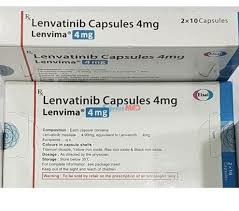
In addition, lenvatinib may cause abnormal urine tests or thyroid function tests, increased blood pressure, muscle or joint pain, and pain and burning when urinating. For these symptoms, patients should undergo relevant examinations regularly so that they can be discovered and dealt with promptly. If blood pressure rises, your doctor may adjust the dosage or prescribe antihypertensive drugs to control blood pressure. For muscle or joint pain, appropriate rest and heat may help relieve symptoms.
Some patients may also experience swelling of their arms and legs, mouth sores, rash, and red, itchy, or peeling skin on their hands or feet after taking lenvatinib. These symptoms may be related to an allergic reaction to the drug, so patients should inform their doctor immediately so that appropriate measures can be taken. For rashes and itchy skin, your doctor may prescribe allergy medications or topical medications to relieve symptoms.
At the same time, lenvatinib may also cause symptoms such as headache, fatigue, cough, difficulty breathing, and hoarseness. These symptoms may be related to the drug's effects on the nervous system and respiratory system. To relieve these symptoms, patients should get adequate rest and avoid strenuous exercise and overexertion. If you have difficulty breathing or hoarseness, you should seek medical attention immediately to ensure timely and effective treatment.
In summary, lenvatinib may be accompanied by a series of side effects during cancer treatment. However, with proper dietary adjustments, regular check-ups, and close communication with your doctor, patients can effectively manage these symptoms, reduce discomfort, and thereby improve their quality of life.
[ 免责声明 ] 本页面内容来自公开渠道(如FDA官网、Drugs官网、原研药厂官网等),仅供持有医疗专业资质的人员用于医学药学研究参考,不构成任何治疗建议或药品推荐。所涉药品可能未在中国大陆获批上市,不适用于中国境内销售和使用。如需治疗,请咨询正规医疗机构。本站不提供药品销售或代购服务。


