
.jpeg)
Can spaxentan/sparsentan treat chronic renal failure?
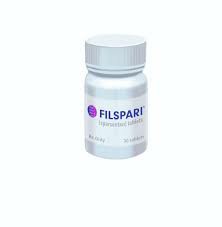
Sparsentan is the first non-immunosuppressive treatment approved by the U.S. Food and Drug Administration (FDA) to reduce proteinuria in adult patients with primary immunoglobulin A nephropathy (IgAN) who are at high risk for disease progression. PrimaryIgA nephropathy is a common clinical type of chronic glomerulonephritis, and it is also a common pathological type in chronic glomerulonephritis. Sparsentan is a novel single-molecule dual endothelin and angiotensin receptor antagonist that is highly selective for targeting the endothelina receptor (ETAR) and angiotensin II subtype 1 receptor (AT1R).
Sparsentan was found to be effective in reducing proteinuria in patients with immunoglobulinA nephropathy in a major study. The study involved 404 adults with immunoglobulin A nephropathy and high levels of proteinuria (at least 1 gram per day) despite receiving other treatments to slow disease progression. It compared the effects on proteinuria of sparsentan and irbesartan (a drug used as the standard treatment for immunoglobulinA nephropathy). After 36 weeks of treatment, patients taking sparsentan had an average decrease in proteinuria levels of 50%, while those taking irbesartan had an average decrease of 15%. After two years, those numbers were 43% among patients taking sparsentan and 4% among those taking irbesartan.
Study data also showed that spaxentan slowed the decline in kidney function, as measured by estimated glomerular filtration rate (eGFR, a measure of how well the kidneys are working). Reduced eGFR indicates decreased kidney function. After 2 years of treatment, patients receiving sparsentan had a decrease in eGFR of 2.9 ml/minute/1.73 m2/year, while patients receiving irbesartan had a decrease in eGFR of 3.9 ml/minute/1.73 m2/year.
However, some patients may experience side effects during use, such as hypotension, hyperkalemia, etc. Therefore, in clinical application, doctors need to make individual adjustments based on the patient's specific situation and monitor relevant indicators to ensure the safety and effectiveness of medication.
Therefore clinical experience with sparsentane, including treatment in clinical trials and ongoingPROTECT, DUPLEX and DUET OLE (Long-term treatment≥5 years) clinical trialsMore than 1200 patients, support that sparsentan has significantly greater anti-albuminuric effects than irbesartan and that the drug is well tolerated with a consistent and manageable safety profile. The PROTECT trial supports the long-term renal protection of sparsentane in patients with IgAN over a 2-year double-blind period. For the treatment of IgAN patients with sparsentan, patients and doctors will significantly benefit from the clinical therapeutic effect of sparsentan.
[ 免责声明 ] 本页面内容来自公开渠道(如FDA官网、Drugs官网、原研药厂官网等),仅供持有医疗专业资质的人员用于医学药学研究参考,不构成任何治疗建议或药品推荐。所涉药品可能未在中国大陆获批上市,不适用于中国境内销售和使用。如需治疗,请咨询正规医疗机构。本站不提供药品销售或代购服务。


