
.jpeg)
Exploring the resistance mechanisms and challenges of ensidipine
Ensidipine, a targeted therapy drug designed for specific types of leukemia, has shown significant efficacy in the treatment of acute myeloid leukemia (AML) patients who carryIDH2 gene mutations. Its mechanism of action is to inhibit the activity of mutated IDH2 enzyme, thereby correcting the metabolic abnormalities of leukemia cells and effectively controlling the development of the disease. However, as treatment continues, some patients develop resistance to ensidipine. The underlying mechanism of this phenomenon urgently requires our in-depth analysis.
The main source of ensidipine resistance lies inSecond mutations in the IDH2 gene. These mutations that occur during treatment can change the structure of the IDH2 enzyme, causing ensidipine to be unable to effectively bind to it, thereby weakening or losing the inhibitory effect of the drug. In short, leukemia cells have evolved adaptively under drug pressure and found ways to evade drug attack.
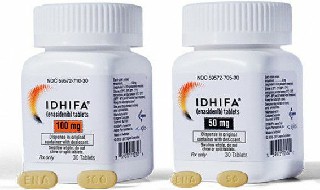
In addition to genetic mutations, the resistance mechanism to ensidipine may also involve other complex factors. For example, intracellular drug transporters may change, reducing the amount of drug entering the cell, thereby reducing drug efficacy. At the same time, leukemia cells may activate alternative metabolic pathways, allowing cells to survive and proliferate even if the IDH2 enzyme is inhibited.
In order to deal with the resistance to ensidipine, scientific researchers are actively carrying out various studies. On the one hand, they are committed to finding new drugs or drug combinations that can inhibit these secondary mutations, in order to restore the drug's effective inhibition of leukemia cells. On the other hand, they are also exploring how to improve the therapeutic effect and delay the emergence of drug resistance by adjusting drug administration methods, dosage and other strategies.
In summary, the resistance mechanism of ensidipine is a complex and multifactorial problem. To overcome this challenge, we need to approach from multiple angles, including delving into the specific details of resistance mechanisms, developing innovative treatment strategies, and optimizing existing treatment options. Only in this way can we fully realize the therapeutic potential of targeted drugs such as ensidipine and bring longer survival and higher quality of life to leukemia patients.
[ 免责声明 ] 本页面内容来自公开渠道(如FDA官网、Drugs官网、原研药厂官网等),仅供持有医疗专业资质的人员用于医学药学研究参考,不构成任何治疗建议或药品推荐。所涉药品可能未在中国大陆获批上市,不适用于中国境内销售和使用。如需治疗,请咨询正规医疗机构。本站不提供药品销售或代购服务。


