
.jpeg)
Seputinib versus platinib: a comparative analysis of the best choice for RET-targeted therapy.
In the field of cancer treatment, RETgene fusions and mutations have become key therapeutic targets, especially in non-small cell lung cancer (NSCLC) and medullary thyroid cancer (MTC). In recent years, two drugs targeting the RET gene - Selpercatinib (Selpercatinib) and Platinib (Pralsetinib) have attracted much attention.
Sepretinib and platinib both showed significant inhibitory activity against RET fusion and mutant tumor cells. Both drugs have shown impressive efficacy in multiple clinical trials. However, in studies of specific patient populations, septetinib has shown superior efficacy in some respects.
For example, in the LIBRETTO-001 trial, the objective response rate (ORR) of patients with RETfusion-positive NSCLC treated with seputinib was as high as ORR an>82.6%, the median progression-free survival (PFS) reached 22 months, and the 3 annual survival rate reached 65.6%. In contrast, platinib also achieved good efficacy data in the ARROW trial, but in some subgroups of patients, its ORR and PFS were slightly inferior to seputinib.
In addition, seputinib also shows significant advantages in the treatment of patients with brain metastases. Due to its good blood-brain barrier penetration ability, seputinib can effectively shrink brain lesions and improve patients' quality of life. Although platinib also has a certain therapeutic effect on brain metastases, it is slightly insufficient in comparison.
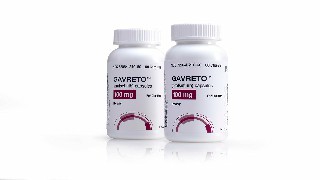
In terms of safety, both seputinib and platinib were generally well tolerated. However, there are certain differences between the two in the specific incidence of adverse reactions. According to clinical trial data, the incidence of grade ≥3 treatment-related adverse events (TRAE) in patients treated with seputinib is relatively low, and the rate of discontinuation due to TRAEs is also lower than that with platinib.
Common side effects of platinib include high blood pressure, fatigue, constipation, diarrhea, etc., while the side effect spectrum of seputinib is slightly different. It is worth noting that both drugs may have some rare but serious side effects during long-term use, such as liver function damage, bleeding tendency, etc. Therefore, when using these two drugs, patients should closely monitor their physical condition and promptly report any abnormal reactions to their doctor.
In terms of applicability, both seputinib and platinib are approved for the treatment of RETfusion-positive NSCLC patients. However, there are certain differences between the two in terms of specific applicable groups and treatment scenarios.
Seputinib has demonstrated excellent efficacy and safety in studies on both treatment-naïve and previously treatedNSCLC patients. This makes it a widely applicable treatment option, either as first-line treatment or as a follow-up treatment. Although platinib also performs well in previously treated patients, there are relatively few efficacy data in newly treated patients.
In the treatment of MTC, seputinib also showed significant efficacy. It can not only reduce tumor size, but also effectively extend patients' progression-free survival. The application of platinib in the treatment of MTC is relatively limited, and it failed to achieve the expected efficacy goals in some studies.
From the perspective of medication convenience, both seputinib and platinib are oral drugs, and the dosage and frequency of medication are relatively fixed. This allows patients to easily complete the treatment process at home, reducing the burden of frequent trips to the hospital.
[ 免责声明 ] 本页面内容来自公开渠道(如FDA官网、Drugs官网、原研药厂官网等),仅供持有医疗专业资质的人员用于医学药学研究参考,不构成任何治疗建议或药品推荐。所涉药品可能未在中国大陆获批上市,不适用于中国境内销售和使用。如需治疗,请咨询正规医疗机构。本站不提供药品销售或代购服务。


