
.jpeg)
Platinib: Detailed explanation of drug efficacy and applications
Platinib, branded as Pujihua, is an oral, once-daily, potent and highly selective RET inhibitor. It mainly targets cancers caused by RET (Rearranged during Transfection) gene fusion or mutation, especially non-small cell lung cancer (NSCLC) and medullary thyroid cancer (MTC).
The main effect of platinib is to inhibit the phosphorylation of RET and its downstream molecules, thereby effectively inhibiting the proliferation of cells expressing RET gene mutations. This highly selective inhibitory effect makes platinib show a more significant effect when compared with other multi-kinase inhibitors. By inhibiting primary and secondary mutations, platinib is expected to further prevent the occurrence of clinical resistance and provide guarantee for long-term treatment.
Platinib is mainly used to treat the following diseases:
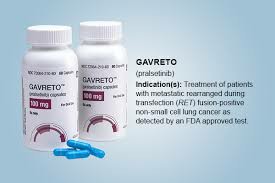
1.RETFusion-positive non-small cell lung cancer (NSCLC): Platinib has shown good efficacy in adult patients with locally advanced or metastatic RETfusion-positive NSCLC. These patients often have already received platinum-containing chemotherapy and have experienced disease progression, and platinib can provide them with a new treatment option.
2.RETMutant medullary thyroid carcinoma (MTC): for advanced or metastatic patients requiring systemic therapy
3.RET Fusion-Positive Thyroid Cancer: Platinib has also shown some efficacy in adults and pediatric patients 12 years and older with advanced or metastatic RET fusion-positive thyroid cancer that is refractory to radioactive iodine (if radioactive iodine is applicable). These patients often have already tried multiple treatments, and the emergence of platinib brings them new treatment opportunities.
The recommended dose of platinib is once daily, taken orally, usually with or without food. The specific dosage should be adjusted based on factors such as the patient's weight, physical condition, and genetic mutations. During the treatment process, patients should follow the doctor's instructions and take the medicine on time and in the right amount to ensure the effectiveness and safety of the medicine.
Although platinib has high efficacy, it may also cause some side effects. Common side effects include fatigue, fever, high blood pressure, cough, etc. Most of these side effects are mild to moderate and can be relieved with appropriate treatment. For example, for fatigue, patients should pay attention to rest and arrange sleep time reasonably; for hypertension, patients should take antihypertensive drugs under the guidance of a doctor.
Platinib may also cause some serious side effects, such as interstitial lung disease/pneumonitis. Therefore, while taking Platinib, patients should pay close attention to their physical condition. Once symptoms such as acute or worsening dyspnea, cough, or fever occur, they should immediately suspend the drug and go to the hospital for examination.
In the actual treatment process, platinib is usually combined with other treatments, such as chemotherapy, radiotherapy, immunotherapy, etc., to improve the treatment effect and prolong the patient's survival time. This comprehensive treatment strategy can give full play to the advantages of various treatment methods and control the progression of the disease to the greatest extent.
[ 免责声明 ] 本页面内容来自公开渠道(如FDA官网、Drugs官网、原研药厂官网等),仅供持有医疗专业资质的人员用于医学药学研究参考,不构成任何治疗建议或药品推荐。所涉药品可能未在中国大陆获批上市,不适用于中国境内销售和使用。如需治疗,请咨询正规医疗机构。本站不提供药品销售或代购服务。


