
.jpeg)
What are the side effects of bedaquiline?
Bedaquiline (Bedaquiline) is an important diarylquinoline antimycobacterial drug, mainly used to treat patients with multidrug-resistant tuberculosis (MDR-TB). The drug is indicated for adults and children aged 5 and above and weighing at least 15kg, usually as part of a combination treatment regimen. The use of bedaquiline is clinically important, especially as it is considered an alternative drug in the face of a shortage of other effective treatment options. Therefore, when prescribing bedaquiline, doctors should conduct a comprehensive evaluation, weigh the pros and cons, and fully communicate with patients to let them understand possible side effects and usage limitations.
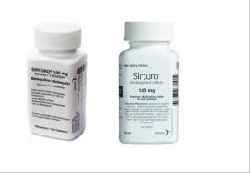
In clinical studies of bedaquiline, researchers have observed a series of side effects associated with its use, which often affect patient acceptance and treatment effectiveness. The most common adverse reactions include nausea, joint pain, headache, hemoptysis, chest pain, anorexia, etc. These symptoms not only cause patients discomfort, but may also affect their quality of life, making patients face more challenges during treatment.
In addition, bedaquiline may also cause biochemical abnormalities such as elevated transaminases, rash, and elevated blood amylase. The occurrence of these side effects requires close monitoring by doctors during treatment to ensure patient safety. If abnormalities are found, doctors may need to adjust treatment or take necessary steps to lessen the impact of side effects.
There are also specific limitations to be aware of when using bedaquiline. According to its package insert , bedaquiline is not indicated for use in patients with latent infection due to Mycobacterium tuberculosis, drug-sensitive tuberculosis, extrapulmonary tuberculosis, and infections caused by non-tuberculous mycobacteria. In addition, there is currently a lack of sufficient clinical data to evaluate the safety and effectiveness of bedaquiline in patients with multidrug-resistant tuberculosis and HIV infection, so caution should be used when using it in such patients.
[ 免责声明 ] 本页面内容来自公开渠道(如FDA官网、Drugs官网、原研药厂官网等),仅供持有医疗专业资质的人员用于医学药学研究参考,不构成任何治疗建议或药品推荐。所涉药品可能未在中国大陆获批上市,不适用于中国境内销售和使用。如需治疗,请咨询正规医疗机构。本站不提供药品销售或代购服务。


