
.jpeg)
Side effect management strategies during erdafitinib treatment
Erdafitinib, a treatment drug specially designed for cancer patients with specificFGFR gene mutations, is bringing a new dawn of treatment to more and more patients. However, any drug may be accompanied by side effects during use, and erdafitinib is no exception. Understanding and mastering the coping strategies for these side effects is of great significance to ensuring patient treatment.
During treatment with erdafitinib, patients may experience a range of side effects. These may include separation or poor formation of the nail from the nail bed, dry skin, decreased phosphate levels in the blood, mouth sores, diarrhea or constipation, dry mouth, changes in taste, and more. In addition, symptoms such as increased levels of creatinine, calcium, potassium or alkaline phosphatase in the blood, dry eye syndrome or retroretinal fluid, abnormal liver function, hand-foot syndrome (such as redness, swelling, peeling or tenderness of the hands and feet), anemia caused by a decrease in red blood cells, reduced salt (sodium) levels in the blood, fatigue, hair loss, muscle pain, nausea, stomach pain, loss of appetite and other symptoms may also occur.
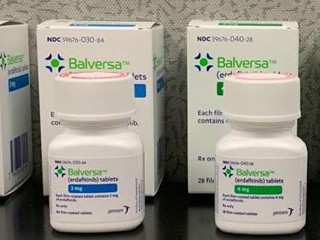
To effectively manage these side effects, close collaboration and communication between patient and physician is crucial. Patients should regularly report any discomfort or changes in symptoms to their doctor so that the doctor can adjust the treatment plan in a timely manner. For nail problems, using a moisturizer and avoiding harsh chemicals can help relieve symptoms. For dry skin, increasing water intake and using gentle moisturizing products can bring improvement.
Patients with oral ulcers and dry mouth can try using oral lubricants and keeping their mouths clean to reduce discomfort. For diarrhea or constipation, modifying your diet and increasing your fiber intake may help restore gut health. At the same time, maintaining adequate fluid intake is also extremely important to relieve dry mouth and maintain normal digestive function.
Doctors will regularly monitor the patient's blood indicators and adjust the drug dosage or take other necessary treatment measures based on the actual situation. For hand-foot syndrome, cold compresses, avoiding tight clothing and shoes, and using moisturizer can help relieve symptoms. For anemia and fatigue, doctors may advise patients to supplement nutrition and engage in appropriate exercise to improve physical fitness.
In summary, erdafitinib may cause some side effects during treatment, but through close doctor-patient communication, regular monitoring, and the adoption of appropriate coping strategies, patients can effectively manage these symptoms and ensure the smooth progress of treatment. There are many versions of erdafitinib currently available on the market, and patients should make the appropriate choice based on their own needs and doctor's recommendations.
[ 免责声明 ] 本页面内容来自公开渠道(如FDA官网、Drugs官网、原研药厂官网等),仅供持有医疗专业资质的人员用于医学药学研究参考,不构成任何治疗建议或药品推荐。所涉药品可能未在中国大陆获批上市,不适用于中国境内销售和使用。如需治疗,请咨询正规医疗机构。本站不提供药品销售或代购服务。


