
.jpeg)
Can bedaquiline cure drug-resistant tuberculosis?
Bedaquiline (Bedaquiline) is a new anti-tuberculosis drug, specifically targeted at the treatment of drug-resistant tuberculosis (MDR-TB). Drug-resistant tuberculosis refers to the resistance of Mycobacterium tuberculosis to conventional anti-tuberculosis drugs, resulting in the ineffectiveness of traditional treatment options and posing serious challenges to public health. Bedaquiline, as an ATP synthase inhibitor, inhibits the growth of bacteria by interfering with their energy metabolism. Clinical studies in recent years have shown that bedaquiline is effective in patients with drug-resistant tuberculosis.
The efficacy of bedaquiline has been demonstrated in multiple clinical trials. For example, in studies such as BRIDGE and C208, bedaquiline, when combined with other anti-tuberculosis drugs, can improve the cure rate and reduce the burden of drug-resistant tuberculosis patients. These studies show that bedaquiline can shorten treatment time, reduce adverse reactions, and improve patients' quality of life compared with traditional regimens.
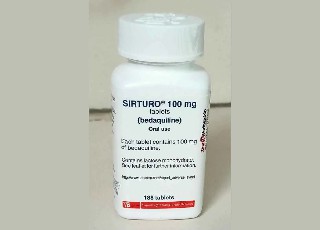
If a patient stops taking bedaquiline too early or skips doses, the infection may not be fully treated and the bacteria may become resistant to the antibiotic. This will make the infection more difficult to treat.
The use of bedaquiline also comes with specific safety considerations. Although it shows good efficacy in the treatment of drug-resistant pulmonary tuberculosis, it may also cause side effects such as cardiotoxicity and abnormal liver function. Therefore, during the use of bedaquiline, doctors need to monitor patients to detect and deal with potential adverse reactions in a timely manner. In addition, treatment courses with bedaquiline are often longer, so patient compliance is also an important factor.
It should be noted that bedaquiline alone cannot cure drug-resistant tuberculosis. Effective treatment plans usually need to be combined with other anti-tuberculosis drugs, such as fluoroquinolones, injectable drugs, etc., to form a multi-drug combination treatment strategy. This combination of drugs not only enhances efficacy but also reduces the further development of drug resistance.
[ 免责声明 ] 本页面内容来自公开渠道(如FDA官网、Drugs官网、原研药厂官网等),仅供持有医疗专业资质的人员用于医学药学研究参考,不构成任何治疗建议或药品推荐。所涉药品可能未在中国大陆获批上市,不适用于中国境内销售和使用。如需治疗,请咨询正规医疗机构。本站不提供药品销售或代购服务。


