
.jpeg)
How toxic is bedaquiline?
In clinical studies, regimens containing bedaquiline are an effective and safe treatment option for patients with drug-resistant tuberculosis (MDR-TB). Bedaquiline enables higher culture conversion rates and reduces the risk of death in patients with drug-resistant tuberculosis.
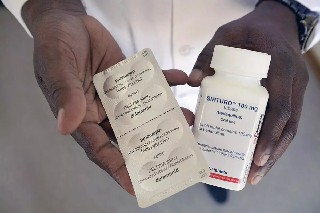
Although patients have shown encouraging responses to bedaquiline, however, like any drug, bedaquiline may cause unwanted side effects that must be observed and managed. Nausea, headache, arthralgia, and loss of appetite are the most commonly reported adverse effects of bedaquiline. Most of these are not severe enough to require discontinuation of medication. But bedaquiline may cause a condition called QT prolongation, which causes a delay in the heart's electrical activity and may lead to irregular heartbeats. QT prolongation can significantly increase the risk of sudden cardiac death when used with other drugs that have the same effect or for other heart problems. Therefore, patients with or at risk for QT prolongation should use bedaquiline with caution and regular ECG monitoring is recommended.
In addition, bedaquiline can cause hepatotoxicity, manifested by increased liver enzymes, jaundice, or hepatitis. This can occur independently of drug interactions or in combination with other hepatotoxic antituberculous drugs. Bedaquiline should be used with caution in patients with or at risk for liver disease and routine liver function tests are recommended.
The efficacy and safety of bedaquiline in the treatment of MDR-TB was also evaluated in an observational retrospective cohort study. The study results show that bedaquiline is a well-tolerated and safe drug with good preliminary efficacy. Because bedaquiline is a relatively new drug, studies assessing its long-term safety and effectiveness are still in their infancy.
[ 免责声明 ] 本页面内容来自公开渠道(如FDA官网、Drugs官网、原研药厂官网等),仅供持有医疗专业资质的人员用于医学药学研究参考,不构成任何治疗建议或药品推荐。所涉药品可能未在中国大陆获批上市,不适用于中国境内销售和使用。如需治疗,请咨询正规医疗机构。本站不提供药品销售或代购服务。


