
.jpeg)
How effective is clofazimine in treating tuberculosis?
Clofazimine, a drug whose name may not be familiar to laypeople, plays a pivotal role in the treatment of certain types of tuberculosis. As a relatively high-end antibiotic, clofazimine has its own unique status and application value in the medical field. Below, we’ll take a closer look at clofazimine’s effectiveness in treating tuberculosis and how it could be a powerful weapon in the fight against this ancient disease.
Clofazimine is a second-line anti-tuberculosis drug whose chemical structure gives it strong antibacterial activity. Although it is not the conventional drug of choice for the treatment of tuberculosis, clofazimine can exert its unique advantages when facing the difficult problem of multi-drug-resistant tuberculosis (MDR-TB). Multidrug-resistant TB is when the tuberculosis bacilli become resistant to at least two of the most effective anti-tuberculosis drugs, isoniazid and rifampicin, making treatment complex and lengthy. The emergence of clofazimine has brought new hope to these patients.
Clofazimine is usually not used alone when treating multidrug-resistant tuberculosis, but as part of a combination treatment regimen. This is because it is difficult for a single drug to completely eliminate the multidrug-resistant Mycobacterium tuberculosis in the body. Therefore, doctors will combine clofazimine with other sensitive and effective anti-tuberculosis drugs such as levofloxacin and para-aminosalicylic acid according to the patient's specific conditions, in order to achieve the best therapeutic effect through the synergistic effect of multiple drugs.
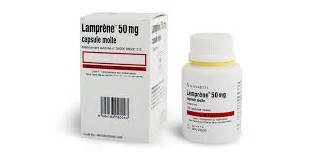
It is important to note that clofazimine is not without side effects in the treatment of tuberculosis. Patients may experience skin redness, purple-black and other color changes during use, which is a common reaction to the drug. In addition, gastrointestinal symptoms such as diarrhea and nausea may also appear in the early stages of treatment. However, these side effects usually lessen or disappear after a period of continued use of the medication. Therefore, patients need to be under the close supervision of a doctor when using clofazimine to ensure the safety and effectiveness of the treatment.
Although clofazimine has shown significant efficacy in treating multidrug-resistant tuberculosis, it is not a panacea. For some patients with larger fibrous lesions and more complex conditions, even with a combination treatment regimen containing clofazimine, it may not be possible to completely eliminate the Mycobacterium tuberculosis bacilli from the body. This is mainly because the drug has limited penetration into fibrous lesions and is difficult to completely kill the Mycobacterium tuberculosis hidden deep in these lesions. In this case, the doctor may consider other treatments, such as surgical lesion removal, to further improve the effectiveness of the treatment.
In addition to its direct therapeutic effects, clofazimine also has anti-inflammatory effects, which can help alleviate the inflammatory response caused by infection in tuberculosis patients, thereby improving the patient's overall condition. This feature makes clofazimine particularly advantageous in the treatment of tuberculosis cases with severe inflammatory reactions.
In summary, clofazimine, as an important second-line anti-tuberculosis drug, plays an indispensable role in the treatment of multi-drug-resistant pulmonary tuberculosis. Through synergy with other drugs, it can effectively combat tuberculosis bacteria that have become resistant to traditional anti-tuberculosis drugs. Although you may encounter some side effects and challenges during use, as long as it is used under the correct guidance and supervision of doctors, clofazimine can bring new treatment hope and a better quality of life to tuberculosis patients.
[ 免责声明 ] 本页面内容来自公开渠道(如FDA官网、Drugs官网、原研药厂官网等),仅供持有医疗专业资质的人员用于医学药学研究参考,不构成任何治疗建议或药品推荐。所涉药品可能未在中国大陆获批上市,不适用于中国境内销售和使用。如需治疗,请咨询正规医疗机构。本站不提供药品销售或代购服务。


