
.jpeg)
What is the scope of application and role of platinib?
Platinib, branded as Pujihua, is an innovative receptor tyrosine kinaseRET inhibitor.
Platinib is mainly used to treat locally advanced or metastatic non-small cell lung cancer with positive transfection rearrangement (RET) gene fusion. In a multi-center, open-label clinical study ARROW, platinib demonstrated significant therapeutic effects. For patients with RETfusion-positive metastatic NSCLC who had previously received platinum-based chemotherapy, the overall response rate (ORR) of platinib reached a satisfactory level.
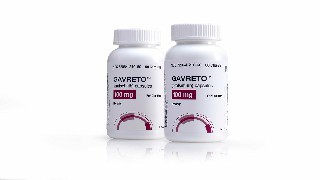
Platinib is also indicated for adults and pediatric patients 12 years and older with advanced or metastatic RETmutated medullary thyroid cancer who require systemic treatment. In addition, platinib also shows good efficacy in patients with advanced or metastatic RET fusion-positive thyroid cancer that requires systemic treatment and is refractory to radioactive iodine.
Platinib, as a potent and highly selective RET inhibitor, can effectively inhibit the proliferation of cells expressing RET gene mutations. It blocks the signal transduction pathway of cancer cells by inhibiting the phosphorylation process of RET and its downstream molecules, thereby inhibiting the growth and spread of cancer cells.
Platinib is expected to prevent the occurrence of clinical drug resistance by inhibiting primary and secondary mutations. This means that during treatment with platinib, cancer cells are less likely to develop resistance to the drug, thereby maintaining the durability of the drug's efficacy.
In addition to directly inhibiting cancer cells, Platinib can also help relieve symptoms related to cancer, such as cough, chest tightness, dyspnea, etc. This helps improve patients' quality of life and prolong their survival.
[ 免责声明 ] 本页面内容来自公开渠道(如FDA官网、Drugs官网、原研药厂官网等),仅供持有医疗专业资质的人员用于医学药学研究参考,不构成任何治疗建议或药品推荐。所涉药品可能未在中国大陆获批上市,不适用于中国境内销售和使用。如需治疗,请咨询正规医疗机构。本站不提供药品销售或代购服务。


