
.jpeg)
How effective is platinib in the treatment of RET fusion lung cancer?
Platinib, as an effective targeted drug targeting RET fusion gene mutations, has attracted widespread attention in the field of lung cancer treatment in recent years. RET Fusion gene mutations are common in some tumors, especially lung and thyroid cancers. Platinib, with its unique mechanism, provides a new treatment option for these patients.
Platinib is a small molecule inhibitor that can specifically block the activity of the RET fusion gene, thereby inhibiting the proliferation and growth of tumor cells. This drug enters the body through oral administration and directly targets tumor cells. In clinical trials, platinib has demonstrated significant efficacy. For example, in one study, for patients with RET fusion-positive non-small cell lung cancer, the overall objective response rate after platinib treatment reached 55.6%, and the disease control rate was as high as 72.2%. These data fully demonstrate the effectiveness of platinib in the treatment of RETfusion lung cancer.
In addition to the significant objective response rate and disease control rate, platinib can effectively prolong patient survival. In a study of real-world data in patients with RETfusion-positive non-small cell lung cancer, patients treated with platinib had a median progression-free survival (PFS) of It has reached 10.7 months, and the median overall survival (OS) is as long as 21.2 months. This means that with the help of Platinib, patients can maintain stable disease for a longer period of time and significantly improve their quality of life.
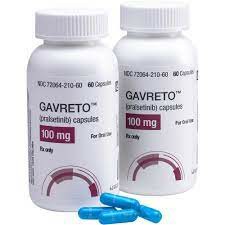
While evaluating drug efficacy, safety and tolerability are also important factors that cannot be ignored. Platinib's performance in this regard is also satisfactory. Clinical data showed that platinib was generally well tolerated, with most adverse events being mild to moderate. Although there are reports of some serious adverse events, such as lymphopenia, hypertension, leukopenia, etc., the incidence rate is relatively low and most patients can tolerate it. This allows platinib to effectively play a therapeutic role while ensuring patient safety.
Platinib has more precise therapeutic effects and fewer side effects than traditional chemotherapy. Traditional chemotherapy drugs usually have killing effects on normal cells and tumor cells, so they are prone to cause a variety of side effects. Platinib, as a highly selective RET inhibitor, can precisely target RET mutations in tumor cells, thereby reducing damage to normal cells. This allows patients to maintain a better quality of life while receiving platinib treatment.
Platinib has been approved for marketing in many countries and regions around the world, including China and the United States. In China, platinib has been approved for the treatment of adult patients with RET gene fusion-positive locally advanced or metastatic non-small cell lung cancer.
In summary, platinib has demonstrated significant clinical effects and good safety in the treatment of RET fusion lung cancer. By precisely targeting RET mutations in tumor cells, Platinib provides patients with a more effective and safer treatment option. However, each patient's situation is unique, and whether platinib is suitable for use needs to be evaluated under the guidance of a doctor and combined with the patient's specific situation.
[ 免责声明 ] 本页面内容来自公开渠道(如FDA官网、Drugs官网、原研药厂官网等),仅供持有医疗专业资质的人员用于医学药学研究参考,不构成任何治疗建议或药品推荐。所涉药品可能未在中国大陆获批上市,不适用于中国境内销售和使用。如需治疗,请咨询正规医疗机构。本站不提供药品销售或代购服务。


