
.jpeg)
Detailed explanation of olaparib’s medical insurance reimbursement policy and applicable conditions
Olaparib, a highly effective oral PARP inhibitor, is gradually becoming an important drug for the treatment of specific cancer types such as ovarian cancer, breast cancer, and prostate cancer. This innovative drug, jointly developed by AstraZeneca and Merck, has shown significant therapeutic effects specifically for cancers related to BRCA1 or BRCA2 gene mutations.
In the domestic market, olaparib has been successfully launched and included in the medical insurance system, providing patients with a more convenient and economical drug purchase channel. At present, the price of this drug is about four to five thousand yuan in the form of 150 mg 56 tablets. For specific costs and medical insurance reimbursement details, patients are advised to consult the local hospital pharmacy for accurate information. In foreign countries, especially in places such as Bangladesh and Laos, the price of generic drugs is relatively more affordable. The price of 150mg120 tablets is about 2,000 yuan, and the drug ingredients are basically the same as the domestic original drugs.
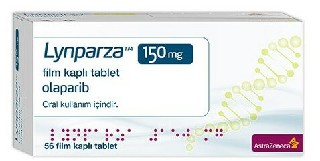
Olaparib's medical insurance reimbursement is mainly limited to the following four situations: first, maintenance treatment for patients with advanced epithelial ovarian cancer, fallopian tube cancer, or primary peritoneal cancer who carry germline or somatic BRCA mutations and achieve complete or partial remission after first-line platinum-containing chemotherapy; second, similar cancers with positive homologous recombination repair defects Maintenance therapy for patients after first-line platinum-containing chemotherapy combined with bevacizumab; further, maintenance therapy for patients with platinum-sensitive recurrent epithelial ovarian cancer, fallopian tube cancer, or primary peritoneal cancer; and finally, treatment for patients with metastatic castration-resistant prostate cancer who carry BRCA mutations and have failed previous treatments.
However, the use of olaparib may also cause some side effects, such as nausea, fatigue, anemia, and gastrointestinal discomfort. Some patients may also experience serious reactions such as leukopenia and thrombocytopenia. Therefore, while using olaparib, patients need to regularly monitor blood indicators and maintain close communication with their doctors in order to adjust the treatment plan in a timely manner and effectively manage side effects. Overall, olaparib has demonstrated important clinical value in the treatment of various cancers and brought new hope to many patients.
[ 免责声明 ] 本页面内容来自公开渠道(如FDA官网、Drugs官网、原研药厂官网等),仅供持有医疗专业资质的人员用于医学药学研究参考,不构成任何治疗建议或药品推荐。所涉药品可能未在中国大陆获批上市,不适用于中国境内销售和使用。如需治疗,请咨询正规医疗机构。本站不提供药品销售或代购服务。


