
.jpeg)
Full analysis of side effects during olaparib treatment, and how to effectively respond and manage them?
Olaparib (Olaparib), as a PARP inhibitor, targets specific cancer types, especially ovarian cancer, breast cancer and prostate cancer that are closely related to BRCA gene mutations. Its therapeutic effect is significant, but it is also accompanied by a series of potential side effects. A thorough understanding of these side effects is key for both patients and doctors to ensure a smooth treatment process. Below is a comprehensive breakdown of the side effects you may experience with olaparib treatment, along with strategies for managing them.
1. Common side effects and their management
1. Nausea and Vomiting
Nausea and vomiting are the most common side effects of olaparib treatment, and they often appear in the early stages of treatment. To relieve this symptom, your doctor may recommend anti-nausea medications such as 5-HT3 antagonists, which can both prevent and reduce discomfort. In addition, adjusting your eating habits, such as avoiding greasy and spicy foods, can also help reduce symptoms.
2. Fatigue
Fatigue is another common side effect that affects patients' quality of daily life. Patients are advised to get adequate rest, engage in moderate physical activity, and maintain a balanced diet to replenish energy. If necessary, your doctor may adjust your medication dosage to reduce fatigue symptoms.
3. Anemia
Olaparib may cause a decrease in hemoglobin levels and cause anemia, which may manifest as fatigue, dizziness and other symptoms. Regular monitoring of blood routine, timely detection of anemia and taking measures, such as iron supplementation or blood transfusion when necessary, are the keys to managing anemia.
2. Serious side effects that are rare but require caution
1. Leucopenia
Olaparib may cause a drop in the number of white blood cells, weakening the immune system and increasing the risk of infection. Patients should pay close attention to signs of infection, such as fever and cough, and have regular blood tests. Doctors will adjust the treatment plan based on the situation to maintain white blood cell levels.
2. Thrombocytopenia
Thrombocytopenia may lead to bleeding tendencies, such as skin ecchymosis, epistaxis, etc. In such cases, doctors may temporarily stop the drug or adjust the dose while closely monitoring platelet counts to ensure patient safety.
3. Abnormal liver function
Some patients may experience abnormal liver function indicators, such as elevated liver enzymes, after taking olaparib. Regular liver function tests, and adjusting or discontinuing medication when necessary, are important measures to protect liver health.
3. Other potential side effects
1. Gastrointestinal discomfort
In addition to nausea and vomiting, olaparib may cause gastrointestinal problems such as abdominal pain, diarrhea, or constipation. Adjusting your diet, using antidiarrheal or laxative medications, and symptomatic treatment can effectively alleviate these symptoms.
2. Skin reaction
Skin reactions such as rash are uncommon but still need to be taken care of. Mild rashes can be controlled with topical treatments, but if symptoms are severe, medication dosage or other treatments may need to be adjusted.
3. Allergic reaction
Although rare, olaparib may cause allergic reactions such as itchy skin, red rash, and even difficulty breathing. In the event of a severe allergic reaction, seek medical attention immediately and take emergency measures.
4. Comprehensive management strategy for side effects
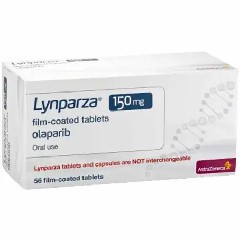
While using Lynparza, patients should receive regular medical examinations to detect and deal with side effects in a timely manner. Doctors will flexibly adjust drug dosages or take other treatment measures based on the patient's specific conditions to reduce side effects. At the same time, good communication between patients and doctors is crucial, and patients should proactively report any symptoms of discomfort so that doctors can adjust treatment plans in a timely manner to ensure the safety and effectiveness of treatment.
As an effective cancer treatment drug, olaparib has unavoidable side effects, but through scientific management and monitoring, most side effects can be effectively controlled. Patients and doctors should work closely together to address challenges during treatment in order to achieve the best possible treatment results.
[ 免责声明 ] 本页面内容来自公开渠道(如FDA官网、Drugs官网、原研药厂官网等),仅供持有医疗专业资质的人员用于医学药学研究参考,不构成任何治疗建议或药品推荐。所涉药品可能未在中国大陆获批上市,不适用于中国境内销售和使用。如需治疗,请咨询正规医疗机构。本站不提供药品销售或代购服务。


