
.jpeg)
Scope of application and performance of regorafenib in the treatment of colorectal cancer
Regorafenib, also known as regorafenib, is a new type of small molecule multi-kinase targeted inhibitor that has shown broad application prospects and precise efficacy in clinical treatment. Its indications mainly cover several areas of refractory tumors, providing new treatment options for many patients with advanced or metastatic cancer.
The main indications for regorafenib include:
1. Metastatic colorectal cancer (mCRC): For patients who have received chemotherapy such as fluorouracil, oxaliplatin, and irinotecan For patients with metastatic colorectal cancer who have poor response to anti-VEGF or anti-EGFR therapy (RAS wild-type), regorafenib can be used as a third-line or follow-up treatment option, helping to prolong the progression-free survival (PFS) and overall survival (OS) of patients.
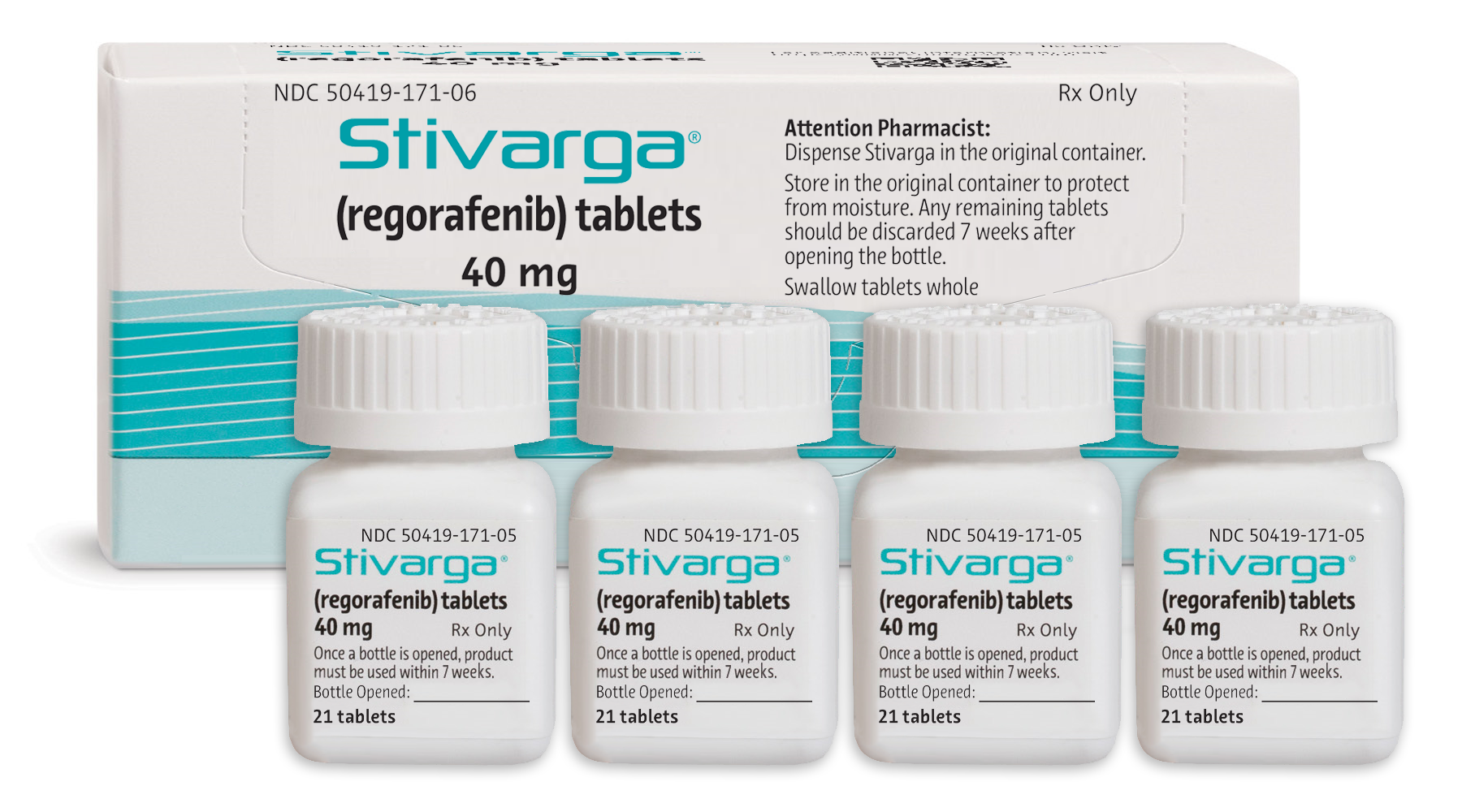
2. Gastrointestinal stromal tumor (GIST): For patients with gastrointestinal stromal tumors that are locally advanced or metastatic, unresectable, and resistant to treatment with imatinib mesylate and sunitinib malate, regorafenib provides a new treatment idea and helps control the further development of the disease.
3. Hepatocellular carcinoma (HCC): For patients with hepatocellular carcinoma who have been treated with sorafenib, regorafenib also shows a certain therapeutic effect and helps to prolong the patient’s survival.
In the treatment of colorectal cancer, regorafenib performs particularly well. Data from multiple clinical trials have shown that regorafenib can significantly extend the progression-free survival and improve the quality of life of patients with metastatic colorectal cancer who have failed first-line and second-line treatments. Regorafenib effectively blocks the proliferation and metastasis of tumor cells by inhibiting multiple kinases related to tumor growth and angiogenesis, bringing new treatment hope to patients with colorectal cancer.
However, it is worth noting that the use of regorafenib may also cause some adverse reactions, such as hand-foot skin reactions, diarrhea, and fatigue. Therefore, during use, doctors will adjust the dosage and individualize treatment according to the patient's specific conditions to maximize the efficacy of the drug and reduce the occurrence of adverse reactions.
In general, regorafenib, as a new multi-kinase targeted inhibitor, has shown good efficacy and broad application prospects in the treatment of colorectal cancer and other refractory tumors. However, its use must strictly follow medical advice and carry out individualized treatment under the guidance of a doctor to ensure the best therapeutic effect.
[ 免责声明 ] 本页面内容来自公开渠道(如FDA官网、Drugs官网、原研药厂官网等),仅供持有医疗专业资质的人员用于医学药学研究参考,不构成任何治疗建议或药品推荐。所涉药品可能未在中国大陆获批上市,不适用于中国境内销售和使用。如需治疗,请咨询正规医疗机构。本站不提供药品销售或代购服务。


