
.jpeg)
What is erlotinib?
Erlotinib is an important targeted therapy drug, mainly used to treat non-small cell lung cancer (NSCLC), especially lung adenocarcinoma patients with epidermal growth factor receptor (EGFR) mutations.
Erlotinib is an oral small molecule tyrosine kinase inhibitor (TKI) that can selectively inhibit the tyrosine kinase activity of EGFR. EGFR is a receptor overexpressed on the surface of various tumor cells. Its overactivation is closely related to the growth, proliferation and migration of tumor cells. By inhibiting the activity of EGFR, erlotinib can block the growth signals of tumor cells, thereby inhibiting tumor growth.
Erlotinib was originally jointly developed by Roche and Astellas in the United States, and was approved for marketing by the FDA on November 11, 2004. It is mainly suitable for patients with EGFRmutated NSCLC. These patients can choose erlotinib as a treatment option when traditional chemotherapy regimens are ineffective or intolerable. In addition, erlotinib can also be used to treat some other types of tumors, such as pancreatic cancer, but the specific efficacy and safety vary depending on individual patients.
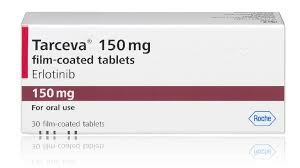
The results of multiple clinical trials have shown that erlotinib can significantly prolong the progression-free survival of patients with EGFR mutationsNSCLC. For example, in a phase III clinical trial of patients with advanced NSCLC, patients treated with erlotinib had significantly longer PFS compared with placebo. This result shows that erlotinib can effectively control the growth and spread of tumors, thereby prolonging the survival time of patients.
Although erlotinib is effective forOSThe prolongation effect of erlotinib varies in different studies, but the general trend is that erlotinib can bring certain survival benefits. In some clinical trials, patients treated with erlotinib had significantly longer OS, while in other studies no significant difference was observed. This may be related to individual patient differences, disease stage, comorbidities and other factors.
Erlotinib can not only prolong patients' survival time, but also relieve patients' symptoms and improve their quality of life. Multiple studies have shown that patients treated with erlotinib experienced significant improvements in symptoms such as cough, dyspnea, and pain. In addition, erlotinib can also improve patients' physical status and functional status scores and other indicators, thereby improving the patient's overall quality of life.
Although erlotinib has excellent clinical efficacy, it may also cause some side effects and safety issues. Common side effects include rash, diarrhea, liver damage, etc. These side effects are usually mild and controllable, and can be effectively alleviated through dose adjustment, symptomatic treatment and other measures. However, in rare cases, erlotinib may cause serious side effects such as interstitial lung disease, which require close monitoring and prompt treatment.
Erlotinib, as an important targeted therapy, has achieved significant clinical efficacy in EGFR mutated NSCLC patients. It can prolong the progression-free survival and overall survival of patients, relieve patients' symptoms and improve their quality of life. However, erlotinib may also cause some side effects and safety issues, which require close monitoring and prompt treatment.
[ 免责声明 ] 本页面内容来自公开渠道(如FDA官网、Drugs官网、原研药厂官网等),仅供持有医疗专业资质的人员用于医学药学研究参考,不构成任何治疗建议或药品推荐。所涉药品可能未在中国大陆获批上市,不适用于中国境内销售和使用。如需治疗,请咨询正规医疗机构。本站不提供药品销售或代购服务。


