
.jpeg)
Is imatinib a targeted drug?
Imatinib, this drug name enjoys a high reputation in the field of cancer treatment. It is not a chemotherapy drug in the traditional sense, but belongs to the category of targeted drugs. As a type of tyrosine kinase inhibitor (TKI), imatinib uses its unique mechanism to precisely act on specific molecular signaling pathways in cancer cells, showing a completely different therapeutic effect and side effect spectrum from traditional chemotherapy.
Traditional chemotherapy drugs are based on attacking rapidly dividing cells in order to kill cancer cells. However, this method of "indiscriminate attack" often causes considerable damage to normal cells, causing a series of serious side effects such as nausea, vomiting, hair loss, anemia, and decreased immune function. In contrast, imatinib, as a targeted drug, is more precise in its treatment and mainly acts on specific abnormal molecules in cancer cells, thereby greatly reducing side effects and significantly reducing damage to normal cells.
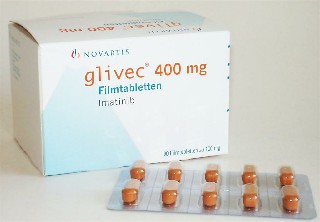
The targeting mechanism of imatinib mainly focuses onBCR-ABLfusion protein. This fusion protein is produced by the translocation of chromosome 9 and chromosome 22 in patients with chronic myelogenous leukemia (CML). It has abnormal tyrosine kinase activity and continues to promote the proliferation of leukemia cells. Imatinib effectively controls the growth and spread of leukemia cells by specifically inhibiting the activity of BCR-ABL tyrosine kinase and blocking its transmission of proliferation signals. In addition, imatinib has also shown significant efficacy in the treatment of gastrointestinal stromal tumors (GIST). Such tumors are often accompanied by KIT or PDGFRA gene mutations. Imatinib can inhibit the kinase activity of these genes, thereby inhibiting the growth of tumor cells.
It is worth mentioning that there are also significant differences in the persistence of treatment goals between imatinib and chemotherapy drugs. For CML patients, imatinib usually needs to be taken long-term to help patients control the disease for a long time and make the disease chronic. Chemotherapy, on the other hand, is mostly a short-term intensive use of drugs with the goal of rapidly reducing the number of cancer cells.
To sum up, imatinib, as a representative of targeted drugs, brings new hope to cancer patients with its precise treatment, lower incidence of side effects and significantly improved quality of life.
[ 免责声明 ] 本页面内容来自公开渠道(如FDA官网、Drugs官网、原研药厂官网等),仅供持有医疗专业资质的人员用于医学药学研究参考,不构成任何治疗建议或药品推荐。所涉药品可能未在中国大陆获批上市,不适用于中国境内销售和使用。如需治疗,请咨询正规医疗机构。本站不提供药品销售或代购服务。


