
.jpeg)
What are the side effects of larotrectinib and how to deal with them?
Larotinib, as a targeted therapy for neurotrophic receptor tyrosine kinase (NTRK) gene fusion solid tumors, has remarkable efficacy and brings hope to many patients. However, like other drugs, larotrectinib may cause some side effects during treatment. Understanding these side effects and strategies to deal with them is critical to ensuring the safety and efficacy of treatment for patients.
Common side effects of larotrectinib include digestive system symptoms such as nausea, vomiting, diarrhea, and constipation, as well as systemic symptoms such as cough, dizziness, and fatigue. In addition, abnormal liver function tests may also occur in some patients. Most of these side effects are mild to moderate and usually appear at the beginning of treatment. As treatment progresses and the patient adapts, the symptoms may gradually reduce or disappear.
In addition to common side effects, larotrectinib may cause allergic reactions. Hives, difficulty breathing, and swelling of the face, lips, tongue, or throat are signs of an allergic reaction and should seek medical attention immediately.
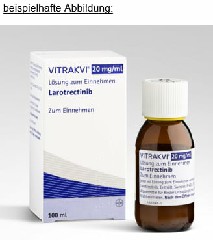
For the side effects of larotrectinib, patients and doctors should adopt active coping strategies. First of all, patients should follow the doctor's instructions, take the medicine on time and in the right amount, and pay attention to their body's reaction. If you develop symptoms such as severe or persistent stomach pain, vomiting, or diarrhea, or neurological symptoms such as confusion, memory problems, or severe dizziness, you should contact your doctor immediately. Secondly, for mild digestive symptoms, patients can try to adjust their diet and avoid irritating foods to reduce symptoms. At the same time, maintaining good work and rest habits and mentality can also help relieve uncomfortable symptoms such as fatigue and dizziness.
In addition, patients should undergo regular liver function tests to monitor liver status. If you have symptoms of liver problems such as loss of appetite, stomach pain, nausea and vomiting, dark urine, clay-colored stools, jaundice, etc., you should also seek medical treatment in time.
In short, larotrectinib has significant efficacy in the treatment ofNTRK gene fusion solid tumors, but its side effects cannot be ignored. Patients should fully understand the possible side effects and coping strategies of drugs, and conduct treatment under the guidance of a doctor to ensure the safety and effectiveness of treatment. Currently, there are many versions of this drug on sale. Patients can make a choice based on their own needs, but they must ensure that they purchase it through formal channels and carefully screen the authenticity of the drug.
[ 免责声明 ] 本页面内容来自公开渠道(如FDA官网、Drugs官网、原研药厂官网等),仅供持有医疗专业资质的人员用于医学药学研究参考,不构成任何治疗建议或药品推荐。所涉药品可能未在中国大陆获批上市,不适用于中国境内销售和使用。如需治疗,请咨询正规医疗机构。本站不提供药品销售或代购服务。


