
.jpeg)
Why do patients turn black when taking clofazimine?
Clofazimine, as a drug with a unique antibacterial mechanism, is widely used to treat a variety of diseases, especially leprosy and multi-drug-resistant tuberculosis. However, patients taking the drug often find their skin darkens, a phenomenon that has caused widespread concern.
The patient's skin turns dark after taking clofazimine, which is mainly caused by the metabolism and action mechanism of the drug in the body. Clofazimine belongs to the phenazine class of compounds, and certain groups in its molecular structure can react with components in skin tissue to produce a dark compound, leading to skin coloration. This coloring phenomenon usually begins soon after using the drug, and the skin may gradually turn pink, brown, or even black. The degree and scope of the coloring are closely related to the dose, use time, and individual differences of the drug.
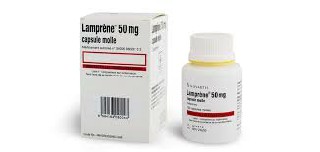
In addition to the direct effects of the drug itself, clofazimine may further aggravate skin darkening by affecting the skin's metabolism and pigmentation process. While taking clofazimine, the metabolic rate of the patient's skin may change, causing pigment cells to become active and produce more melanin. At the same time, drugs may also interfere with the normal pigmentation process of the skin, causing excessive deposition of melanin in the skin, resulting in darkening of the skin.
It is worth noting that although skin darkening caused by clofazimine may cause some distress to patients, this phenomenon is usually reversible. After stopping the drug for a period of time, the skin color can often gradually recover as the drug is gradually metabolized and excreted from the body. However, the speed and extent of recovery may vary from person to person, and some patients may take longer to fully recover.
Therefore, it is important for patients taking clofazimine to understand and accept this possible side effect. At the same time, doctors should also fully explain this phenomenon to patients before treatment, pay close attention to the patient's skin changes during treatment, and adjust the treatment plan in a timely manner to reduce the patient's discomfort.
[ 免责声明 ] 本页面内容来自公开渠道(如FDA官网、Drugs官网、原研药厂官网等),仅供持有医疗专业资质的人员用于医学药学研究参考,不构成任何治疗建议或药品推荐。所涉药品可能未在中国大陆获批上市,不适用于中国境内销售和使用。如需治疗,请咨询正规医疗机构。本站不提供药品销售或代购服务。


