
.jpeg)
Detailed explanation of applicable groups and correct usage of larotrectinib
Larotrectinib, an innovative targeted therapy targeting neurotrophic receptor tyrosine kinase (NTRK) gene fusion, provides new treatment hope for adult and pediatric patients with certain types of solid tumors. This article will introduce in detail the applicable groups and correct use of larotrectinib.
1. Applicable people
Larotrectinib is indicated primarily for the treatment of adult and pediatric patients with solid tumors that harbor neurotrophic receptor tyrosine kinase (NTRK) gene fusions but have no known acquired resistance mutations, are metastatic, or for which surgical resection would result in significant morbidity and for which there are no satisfactory alternative treatments, or that have progressed after treatment.
2. Correct use method
To ensure the best efficacy and safety of larotrectinib, patients should strictly follow their doctor’s instructions for use:
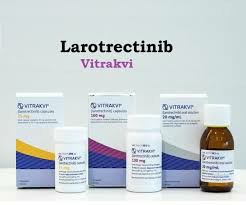
1. Dose and frequency: For adults and pediatric patients with a body surface area greater than1.0 square meters, the recommended dose is 100 mg orally twice daily. For pediatric patients with a body surface area less than 1.0 m2, the recommended dose is 100 mg/m2 twice daily.
2. Dosage: Larotrectinib is available in capsule and oral liquid forms. The capsule should be swallowed whole and avoid chewing or crushing; the oral liquid needs to be swallowed with an oral syringe and stored in the refrigerator (2°C to 8°C). It must be discarded if not used within 90 days after the first opening.
3. Things to note:
1) Patients should undergo regular liver function monitoring during treatment to prevent liver toxicity.
2) Neurotoxicity is also one of the potential adverse reactions. Patients should be alert to symptoms such as dizziness and vertigo, and adjust the dose or discontinue the drug if necessary.
3) Since larotrectinib may affect the immune system, patients need to pay attention to personal hygiene and avoid sources of infection.
4. Drug Interactions: Inform your doctor of all medications you are taking, including prescription drugs, over-the-counter drugs, vitamins, and herbal supplements, to avoid drug interactions.
5. Continuous monitoring: During treatment, disease progression and drug response should be closely monitored, and the treatment plan should be adjusted in a timely manner.
In conclusion, larotrectinib offers new therapeutic hope for patients with certain types of solid tumors, but correct use and continued monitoring are key to ensuring its efficacy and safety. Patients should use medications rationally under the guidance of a doctor in order to obtain the best therapeutic effect.
[ 免责声明 ] 本页面内容来自公开渠道(如FDA官网、Drugs官网、原研药厂官网等),仅供持有医疗专业资质的人员用于医学药学研究参考,不构成任何治疗建议或药品推荐。所涉药品可能未在中国大陆获批上市,不适用于中国境内销售和使用。如需治疗,请咨询正规医疗机构。本站不提供药品销售或代购服务。


