
.jpeg)
Are dabrafenib/dabrafenib and sorafenib equally effective?
Dabrafenib and sorafenib ( Sorafenib) are two targeted drugs widely used in cancer treatment. Although they both belong to the category of kinase inhibitors, their efficacy is not exactly the same, which is mainly reflected in the mechanisms of action, indications, clinical trial results, and side effects.
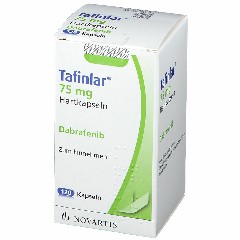
Dabrafenib is a potent and selective B-RAF inhibitor with clinical activity against BRAFV600E melanoma, non-B-RAFV600E mutated melanoma, and V600-mutated cancers of other organ systems, including thyroid cancer, non-small cell lung cancer, and low-grade glioma. In 2013, the U.S. Food and Drug Administration (FDA) approved dabrafenib as a single agent for the treatment of unresectable or metastatic BRAF V600E melanoma. It is a potent ATP-competitive BRAF kinase inhibitor with high selectivity for mutant BRAF in kinome screens, cell lines, and xenografts. It is believed to be the first drug of its kind to demonstrate activity against metastatic melanoma in the brain. Because of its potential neurotoxic effects on wild-type BRAF, which is abundant in normal brain tissue, dabrafenib was specifically synthesized to prevent penetration of the blood-brain barrier.
Sorafenib is aV600E mutant BRAF and CRAF tyrosine kinase inhibitor that is specific for the ATP-binding pocket of RAF. It also targets vascular endothelial growth factor receptor (VEGFR) and platelet-derived growth factor receptor (PDGFR). Sorafenib has been shown to disable the B-RAF kinase domain by locking the enzyme in its inactive form and inhibiting the MEK pathway in vitro and in vivo. The downstream MEK pathway is subsequently eliminated and exerts antiproliferative effects in tumor cell lines and in vivo tumor models. Although sorafenib has been approved by the FDA for the treatment of primary liver and kidney cancers, it has not shown significant antitumor activity as a single agent in patients with advanced melanoma. Since its effect on B-RAF is rather weak, its clinical efficacy is usually attributed to targeting non-B-RAF kinases. However, combination therapy with sorafenib and the alkylating agents dacarbazine or temozolomide significantly improved outcomes in patients with advanced melanoma. Additionally, several studies have been conducted to confirm the efficacy of sorafenib in combination with newer drugs for the treatment of melanoma. For example, sorafenib is combined with temsirolimus, riluzole, tipifarnib, and bortezomib to treat advanced melanoma.
Dabrafenib has relatively few side effects. Common side effects include fever, rash, joint pain, etc., and are usually tolerable. This makes it more acceptable among patients. However, the side effects of sorafenib are diverse and may include hand-foot syndrome, hypertension, diarrhea, etc. These side effects sometimes affect patients' quality of life and treatment compliance. Therefore, the specific cancer type and the patient's genetic characteristics must be considered when evaluating their efficacy. For patients, choosing appropriate targeted therapy drugs should take into account relevant factors based on individualized treatment plans and doctor's recommendations.
[ 免责声明 ] 本页面内容来自公开渠道(如FDA官网、Drugs官网、原研药厂官网等),仅供持有医疗专业资质的人员用于医学药学研究参考,不构成任何治疗建议或药品推荐。所涉药品可能未在中国大陆获批上市,不适用于中国境内销售和使用。如需治疗,请咨询正规医疗机构。本站不提供药品销售或代购服务。


