
.jpeg)
What are the pharmacological effects of cycloserine?
Cycloserine, as a drug with significant pharmacological effects, is mainly used to treat various infectious diseases such as drug-resistant tuberculosis. Its unique pharmacological mechanism makes it irreplaceable in clinical practice. Below, we will introduce the pharmacological effects of cycloserine in detail.
The pharmacological effects of cycloserine are mainly reflected in the following aspects: First, it has a central nervous system inhibitory effect. Cycloserine can increase the concentration of 5-hydroxytryptamine in the brain, thereby acting as a central nervous system inhibitor and helping to relieve patients' anxiety, depression and other mental symptoms. Secondly, cycloserine has a regulatory effect on the immune system. It can affect the expression and activity of cytokines, thereby regulating the body's immune response and enhancing the body's anti-infection ability.
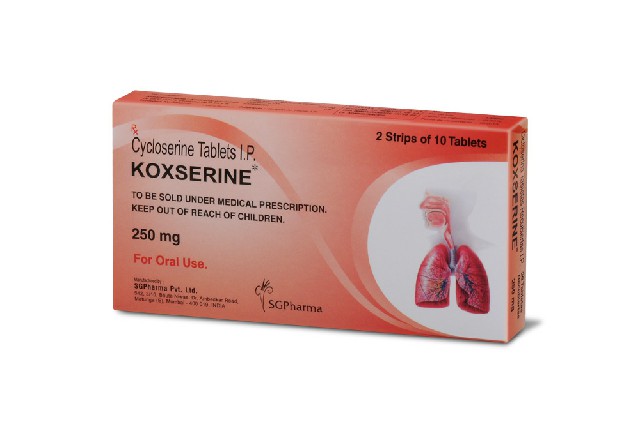
In addition, the most well-known pharmacological effect of cycloserine is its inhibitory effect on the growth of Mycobacterium tuberculosis. Cycloserine can interfere with the normal metabolic process of Mycobacterium tuberculosis and destroy the bacterial cell structure by inhibiting the synthesis of bacterial cell wall mucopeptides, thereby inhibiting its growth. This mechanism of action makes cycloserine highly effective in the treatment of drug-resistant tuberculosis.
In addition to the above pharmacological effects, cycloserine also has metabolic regulatory effects. It promotes lipolysis and energy expenditure, helping to improve dyslipidemia and weight management. However, it should be noted that cycloserine may cause some adverse reactions during use, such as gastrointestinal discomfort, fever, and nervous system toxicity. Therefore, caution should be used when using cycloserine, and the medication regimen should be adjusted according to the patient's specific situation to ensure the safety and effectiveness of the treatment.
In summary, cycloserine plays an important role in the treatment of various infectious diseases such as drug-resistant tuberculosis due to its diverse pharmacological effects. By in-depth understanding of its pharmacological mechanism, we can better grasp the clinical application of this drug and bring good news to more patients.
[ 免责声明 ] 本页面内容来自公开渠道(如FDA官网、Drugs官网、原研药厂官网等),仅供持有医疗专业资质的人员用于医学药学研究参考,不构成任何治疗建议或药品推荐。所涉药品可能未在中国大陆获批上市,不适用于中国境内销售和使用。如需治疗,请咨询正规医疗机构。本站不提供药品销售或代购服务。


