
.jpeg)
Detailed explanation of selinesol drug categories and mechanisms of action
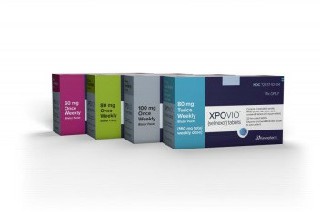
Selinesol, known as XPOVIO orXPOVIO, is an innovative anti-cancer drug that has emerged in the field of hematological tumor treatment in recent years. It is classified as a selective nuclear export inhibitor (SINE). With its unique mechanism of action, it has shown significant effects in the treatment of refractory cancers such as multiple myeloma and diffuse large B-cell lymphoma.
Selinisol is an oral chemically synthesized drug. Its special feature is that it can inhibit specific nuclear export proteins, thereby affecting the positioning and function of key molecules in tumor cells, thereby inhibiting tumor growth and spread. As the world's first and only drug targeting this new mechanism, Selinisol has received marketing approval or emergency use authorization in multiple countries and regions.
The core mechanism of action of this drug is to inhibit the function of XPO1 protein. XPO1 is a protein responsible for transporting molecules between the nucleus and cytoplasm. It is expressed at low levels in normal cells but is highly expressed in a variety of tumor cells. This high expression will cause some proteins that inhibit tumor growth to be mistakenly transported to the cytoplasm, thereby losing their function; at the same time, some proteins that promote tumor survival and drug resistance accumulate in the cytoplasm, thereby enhancing the proliferation and invasion capabilities of tumor cells.
Selinesol blocks its interaction with these key molecules by specifically binding toXPO1, thus preventing their transport from the nucleus to the cytoplasm. In this way, proteins that inhibit tumor growth can accumulate in the nucleus and restore their tumor-suppressing functions; while proteins that promote tumor survival are reduced in the cytoplasm, reducing their cancer-promoting effects. In addition, selinesol can increase the level of glucocorticoid receptors in the nucleus and restore the sensitivity of cells to glucocorticoids, thereby further enhancing the anti-tumor effect.
In short, selinesol, as a new type of oral anti-cancer drug, inhibits the growth and spread of tumors by inhibiting the function ofXPO1 protein and changing the positioning and function of key proteins in tumor cells. Its unique mechanism of action enables it to demonstrate significant efficacy in the treatment of refractory or relapsed multiple myeloma and diffuse large B-cell lymphoma and other cancers. With the continuous deepening of clinical research, selinesol is expected to play an important role in the treatment of more types of cancer and bring new hope to cancer patients.
[ 免责声明 ] 本页面内容来自公开渠道(如FDA官网、Drugs官网、原研药厂官网等),仅供持有医疗专业资质的人员用于医学药学研究参考,不构成任何治疗建议或药品推荐。所涉药品可能未在中国大陆获批上市,不适用于中国境内销售和使用。如需治疗,请咨询正规医疗机构。本站不提供药品销售或代购服务。


