
.jpeg)
Analysis of multiple mechanisms of action of clofazimine
Clofazimine, this drug has attracted much attention in the medical field because of its unique pharmacological effects. It not only shines in antibacterial treatment, but also shows excellent results in anti-inflammatory treatment. Its complex and extensive mechanism of action opens up new avenues for the treatment of various infectious diseases.
In-depth research found that clofazimine has a significant bactericidal effect on Mycobacterium leprae. This bactericidal effect is not achieved overnight, but is slow and long-lasting. Clofazimine can specifically bind to the DNA of mycobacteria, thereby inhibiting their growth. At the same time, clofazimine has also demonstrated strong anti-inflammatory ability in the treatment of leprosy erythema nodosum, although its exact anti-inflammatory mechanism remains to be further revealed.
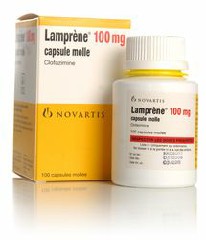
To explore the secret of clofazimine’s anti-mycobacterial activity, we can start with its membrane-directed activity. Clofazimine can interact with the respiratory chain and ion transport proteins on the bacterial cell membrane, interfering with the normal physiological functions of bacteria. In addition, when clofazimine undergoes a redox cycle in cells, it will produce oxygen free radicals (ROS) and hydrogen peroxide (H2O2) with antibacterial activity. These substances can further damage the bacterial cell membrane structure and lead to bacterial death.
In addition to its direct bactericidal effect, clofazimine can also exert an anti-inflammatory effect by inhibiting the activation and proliferation ofT lymphocytes. During this process, clofazimine may indirectly interfere with the function of T cells by promoting the release of ROS and prostaglandin E series (especially PGE2), thereby reducing the inflammatory response.
However, it is worth mentioning that clofazimine is not suitable for everyone. People who are allergic to clofazimine should strictly avoid using this drug. At the same time, pregnant and lactating women need to be extra cautious when using it and be sure to follow the guidance of a professional doctor.
In summary, clofazimine occupies an important position in the treatment of infectious diseases due to its unique multiple action mechanisms. By gaining a deeper understanding of its pharmacological effects and following doctors' medication recommendations, we can better utilize this drug to protect patients' health.
[ 免责声明 ] 本页面内容来自公开渠道(如FDA官网、Drugs官网、原研药厂官网等),仅供持有医疗专业资质的人员用于医学药学研究参考,不构成任何治疗建议或药品推荐。所涉药品可能未在中国大陆获批上市,不适用于中国境内销售和使用。如需治疗,请咨询正规医疗机构。本站不提供药品销售或代购服务。


