
.jpeg)
Can I stop taking clofazimine for six months?
Clofazimine is a broad-spectrum antibacterial drug that is widely used to treat a variety of infectious diseases, such as tuberculosis, leprosy, and skin fungal infections. This drug achieves therapeutic purposes by interfering with the metabolic process of bacteria and inhibiting their growth and reproduction. Regarding the question of whether clofazimine can be discontinued after taking it for six months, this is a relatively complex issue that requires individualized consideration.
First, the length of time clofazimine should be used usually depends on the patient's specific condition and the doctor's treatment plan. For some diseases, such as tuberculosis, the treatment cycle may be longer and continuous medication is required to ensure that the germs are completely eliminated. In this case, using clofazimine for only six months may not be enough to completely cure the disease, so it is not recommended to discontinue the drug at will.
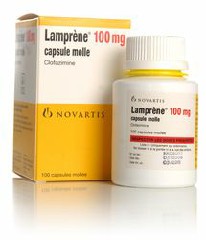
Secondly, even if patients experience significant improvement in symptoms after taking clofazimine for six months, they should consult a professional physician and follow their recommendations. The doctor will comprehensively judge whether the medication can be discontinued based on the patient's specific situation, such as the degree of recovery, physical condition, and possible risk of recurrence.
In addition, patients should pay close attention to the side effects of the drug while using clofazimine and undergo regular examinations to ensure the safety and effectiveness of the treatment. If any discomfort or abnormal reaction occurs during medication, you should seek medical advice immediately and seek advice from your doctor.
To sum up, it cannot be concluded whether clofazimine can be stopped after taking it for six months. Patients should make decisions based on their condition and their doctor's advice. Under no circumstances is it recommended that patients stop taking medications or change treatment plans on their own to avoid recurrence or aggravation of the condition. The correct approach is to maintain close communication with the doctor and jointly formulate and adjust the treatment plan in order to achieve the best treatment effect.
[ 免责声明 ] 本页面内容来自公开渠道(如FDA官网、Drugs官网、原研药厂官网等),仅供持有医疗专业资质的人员用于医学药学研究参考,不构成任何治疗建议或药品推荐。所涉药品可能未在中国大陆获批上市,不适用于中国境内销售和使用。如需治疗,请咨询正规医疗机构。本站不提供药品销售或代购服务。


