
.jpeg)
How long does it take for resistance to crizotinib to appear in patients with lung squamous cell carcinoma?
After patients with lung squamous cell carcinoma are treated with crizotinib, the time for the emergence of drug resistance is not a fixed number, but is affected by a variety of factors, including individual differences in patients, disease severity, genetic status, and medication regimen.
Crizotinib is mainly used to treat patients with non-small cell lung cancer who carryALK (anaplastic lymphoma kinase) gene rearrangement or ROS1 gene rearrangement. However, lung squamous cell carcinoma (also called squamous cell carcinoma) does not typically carry ALK or ROS1 gene rearrangements, so crizotinib is not a standard treatment option for lung squamous cell carcinoma. In some special cases, such as patients with lung squamous cell carcinoma who also carry ALK or ROS1 gene rearrangements, crizotinib may be considered for treatment.
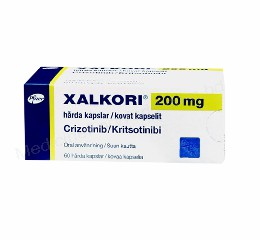
As for the time when drug resistance appears in patients with lung squamous cell carcinoma treated with crizotinib, there is a lack of large-scale clinical data support because this situation is relatively rare. However, based on the experience of using crizotinib in patients with non-small cell lung cancer, the emergence time of drug resistance is usually between 6 months and 18 months, but the specific time varies depending on individual differences.
It should be noted that the emergence of drug resistance does not entirely depend on the time of medication, but may also be related to a variety of factors such as the patient's genetic status, disease severity, medication regimen, and biological characteristics of tumor cells. Therefore, even if two patients have been on crizotinib for the same amount of time, there may be differences in the timing of emergence of resistance.
For patients who develop drug resistance, doctors usually consider switching to other targeted therapies or using other treatment options. Factors such as the patient's genetic status, severity of disease, and previous treatment history need to be considered when selecting new treatment options. In addition, combination therapy is also a strategy to improve treatment efficacy and prolong resistance time.
Because crizotinib is not a standard treatment option for lung squamous cell carcinoma, special caution is needed when using crizotinib to treat lung squamous cell carcinoma. Patients should take medication under the guidance of a doctor and receive regular condition evaluation and monitoring. At the same time, patients also need to pay attention to the side effects and risks of drugs and promptly report any discomfort or abnormalities to their doctors.
[ 免责声明 ] 本页面内容来自公开渠道(如FDA官网、Drugs官网、原研药厂官网等),仅供持有医疗专业资质的人员用于医学药学研究参考,不构成任何治疗建议或药品推荐。所涉药品可能未在中国大陆获批上市,不适用于中国境内销售和使用。如需治疗,请咨询正规医疗机构。本站不提供药品销售或代购服务。


