
.jpeg)
What is the therapeutic effect of crizotinib in lung cancer liver metastasis?
The clinical therapeutic effect of crizotinib in lung cancer liver metastases is significant, especially for patients with anaplastic lymphoma kinase (ALK)-positive non-small cell lung cancer (NSCLC).
Crizotinib is a tyrosine kinase inhibitor that mainly targetstyrosine kinases such as ALK and ROS1. By blocking the activity of these kinases, crizotinib can cut off the signaling pathways of tumor cells, thereby inhibiting the proliferation and survival of tumor cells. This mechanism makes crizotinib an effective drug for the treatment of ALK-positive NSCLC.
Clinical trials of crizotinib inALK-positive NSCLC patients have shown that it can significantly prolong the progression-free survival (PFS) and overall survival (OS) of the patients. For example, in the PROFILE 1007 trial, the median PFS was significantly longer in the crizotinib group compared with chemotherapy (10.9 months vs 7.0 months), and OS also tended to be longer (26.6 months vs 20.3 months).
For patients with liver metastases from lung cancer, crizotinib can also prolong survival. Although clinical trial data specifically targeting liver metastases from lung cancer may be limited, based on its overall efficacy in ALK-positive NSCLC, it is reasonable to speculate that crizotinib also has the potential to extend survival in the treatment of liver metastases from lung cancer.
Crizotinib showed significant objective response rate (ORR), which is the proportion of tumor lesions that shrink or disappear, in patients with ALK-positive NSCLC. The same applies to patients with liver metastases from lung cancer. By inhibiting the proliferation and survival of tumor cells, crizotinib can promote the shrinkage or stabilization of tumor lesions.
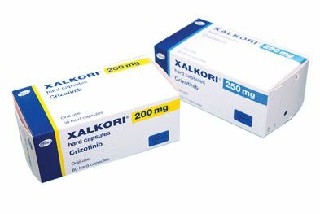
In addition to prolonging survival and shrinking tumor lesions, crizotinib can also improve the quality of life of patients with lung cancer liver metastases. By relieving cough, dyspnea and other lung cancer-related symptoms, crizotinib can reduce patients’ pain and discomfort. In addition, the oral administration of crizotinib also improves patient convenience and compliance.
Crizotinib inhibits tyrosine kinases such as ALK and is highly targeted. This means it can act more precisely on tumor cells and reduce damage to normal cells. In the treatment of liver metastases from lung cancer, this targeting helps reduce damage to normal tissues such as the liver.
As mentioned above, crizotinib has shown significant efficacy inALK-positive NSCLC patients, which can extend survival, shrink tumor lesions and improve quality of life. These effects also apply to patients with liver metastases from lung cancer.
Most of the adverse reactions of crizotinib are mild to moderate, such as visual impairment, nausea, vomiting, etc. These reactions can usually be alleviated with appropriate dose adjustment or symptomatic treatment. In the treatment of liver metastases from lung cancer, crizotinib has a relatively high safety profile and helps patients complete the entire treatment cycle.
Some patients may develop drug resistance after taking crizotinib for a period of time. This may be due to genetic mutations within tumor cells that lead to changes in drug targets. Once resistance occurs, the efficacy of crizotinib will be greatly reduced. Therefore, when using crizotinib to treat liver metastases from lung cancer, it is necessary to closely monitor changes in the patient's condition and adjust the treatment plan in a timely manner to cope with drug resistance.
There may be differences in the condition and genetic status of patients with liver metastases from lung cancer. Therefore, when using crizotinib for treatment, individualized treatment needs to be based on the patient's specific conditions. This includes determining appropriate doses, monitoring adverse reactions, and timely adjustments to treatment plans.
[ 免责声明 ] 本页面内容来自公开渠道(如FDA官网、Drugs官网、原研药厂官网等),仅供持有医疗专业资质的人员用于医学药学研究参考,不构成任何治疗建议或药品推荐。所涉药品可能未在中国大陆获批上市,不适用于中国境内销售和使用。如需治疗,请咨询正规医疗机构。本站不提供药品销售或代购服务。


