
.jpeg)
What are the common side effects of Sotolaxib and how to avoid and deal with them?
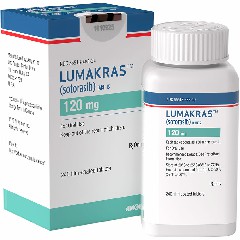
Sotorasib (Sotorasib, AMG510), as a targeted therapy drug targeting KRAS G12C mutation, has demonstrated significant efficacy in the treatment of locally advanced or metastatic non-small cell lung cancer. However, like other drugs, sotoraxib may cause a range of side effects during use. It is important for patients to understand these common side effects and strategies to deal with them.
1. The most common side effects
1. Diarrhea: Diarrhea is one of the most common side effects of sotoraxib. Patients should maintain adequate fluid intake and avoid excessive caffeine and greasy foods. If diarrhea symptoms are severe, your doctor may recommend anti-diarrhea medications to relieve discomfort.
2. Muscle or bone pain: Some patients may experience muscle or bone pain. Moderate rest and light exercise, such as walking, can help relieve this symptom. Warm compresses are also an effective form of relief. If the pain persists or worsens, you should inform your doctor promptly and consider pain management methods.
3. Nausea: Nausea is a common adverse reaction during treatment with sotoraxib. Eating in portions, choosing light and easy-to-digest foods, and avoiding spicy or greasy foods can help relieve nausea symptoms. Your doctor may also prescribe anti-nausea medications to aid treatment.
4. Fatigue: Feeling fatigued is a common side effect of sotorasiib. Patients should arrange rest reasonably, ensure adequate sleep time, and avoid overexertion. Moderate light exercise can also help improve your mental state.
5. Liver problems: Sotoraxib may cause liver damage, manifested by abnormal liver function test indicators. Doctors will perform regular tests on patients' liver function before starting treatment and during treatment. If any abnormality occurs, the doctor should be informed in time and the treatment plan should be adjusted according to the doctor's instructions, such as suspending the medication, reducing the dose, or permanently discontinuing the medication.
6. Cough: Cough is one of the side effects that may occur during treatment with sotoraxib. If the cough symptoms are severe or persist, you should inform your doctor promptly for further evaluation and treatment.
7. Changes in liver function tests and other blood tests: These changes may include decreased lymphocytes, decreased hemoglobin, increased aspartate aminotransferase, increased alanine aminotransferase, etc. Patients should follow their doctor's advice for regular check-ups so that these abnormalities can be discovered and dealt with in a timely manner.
2. Avoidance and coping strategies
1. Full communication: Before treatment, patients should inform the doctor in detail about their allergies, medical history, and current medication status, so that the doctor can develop a personalized treatment plan.
2. Regular examinations: Follow the doctor’s instructions for regular examinations so that possible side effects can be discovered and dealt with in a timely manner.
3. Reasonable diet and rest: Maintain good eating habits, avoid irritating foods, maintain adequate fluid intake and rest time.
4. Timely feedback: If any discomfort or side effects occur during the treatment, the doctor should be informed promptly so that necessary adjustments and treatment can be made.
In summary, it is important for patients to understand the common side effects of sotoraxib and their coping strategies. Through adequate communication, regular examinations, reasonable diet and rest, and timely feedback, the impact of side effects can be effectively reduced and the treatment effect and quality of life can be improved. Currently, there are many versions of this drug on sale. Patients should purchase according to their needs.
[ 免责声明 ] 本页面内容来自公开渠道(如FDA官网、Drugs官网、原研药厂官网等),仅供持有医疗专业资质的人员用于医学药学研究参考,不构成任何治疗建议或药品推荐。所涉药品可能未在中国大陆获批上市,不适用于中国境内销售和使用。如需治疗,请咨询正规医疗机构。本站不提供药品销售或代购服务。


