
.jpeg)
What are the adverse reactions of linezolid tablets?
Linezolid tablets, as a synthetic antibacterial drug, are widely used to treat infections caused by Gram-positive bacteria, such as skin and soft tissue infections and lung infections. However, like all medications, linezolid tablets may be associated with some adverse effects during use.
The first thing to focus on is allergic reactions. Some patients may experience allergic symptoms such as redness, swelling, blistering, peeling, and skin itching after using linezolid tablets. In severe cases, it may even cause difficulty breathing or throat swelling. Additionally, medications may trigger signs of infection, such as fever, sore throat, cough, and changes in urine.
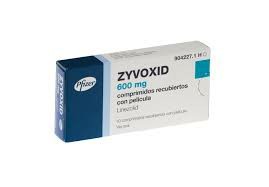
In terms of the nervous system, linezolid tablets may cause epileptic seizures, manifesting as generalized rigidity, loss of consciousness and other symptoms. At the same time, it may also cause serotonin syndrome and serotonin syndrome. These reactions usually include symptoms such as anxiety, diarrhea, fever, and tachycardia.
In terms of blood system, linezolid tablets may cause bone marrow suppression, leading to symptoms such as anemia, leukopenia, and thrombocytopenia. Prolonged use of this medication may also increase the risk of lactic acidosis, a potentially life-threatening condition whose symptoms include rapid breathing, drowsiness, and confusion.
In addition to the above-mentioned adverse reactions, linezolid tablets may also cause visual impairment, high blood pressure, hyponatremia, and a variety of other body system problems, such as liver problems, cardiac arrhythmias, and phlebitis. Especially patients who use this drug for a long time need to be alert to the risk of fungal infections, such as Candida infection of the mouth, vagina, and skin.
Overall, while linezolid tablets are excellent at treating certain infections, their potential adverse effects cannot be ignored. Patients should remain vigilant while using this medication and closely monitor for any unusual body reactions. At the same time, regular communication with your doctor and following your doctor's instructions are also key to ensuring medication safety.
[ 免责声明 ] 本页面内容来自公开渠道(如FDA官网、Drugs官网、原研药厂官网等),仅供持有医疗专业资质的人员用于医学药学研究参考,不构成任何治疗建议或药品推荐。所涉药品可能未在中国大陆获批上市,不适用于中国境内销售和使用。如需治疗,请咨询正规医疗机构。本站不提供药品销售或代购服务。


