
.jpeg)
Will renal cysts occur after taking crizotinib capsules?
Taking crizotinib capsules may indeed lead to the appearance of renal cysts. This phenomenon has been reported in multiple clinical studies and real cases.
According to publicly released clinical research data, the occurrence of renal cysts has been observed in patients treated with crizotinib. For example, in one study, 7 patients (4%) and 1 patients (1%) developed renal cysts in the crizotinib capsule treatment group and the chemotherapy group, respectively. Most of these renal cysts are complex renal cysts, and in some cases imaging features suggest abscess formation. However, no microbiological testing confirmed renal abscesses in clinical trials.
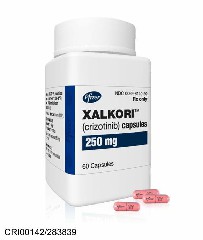
Renal cyst is the most common structural abnormality of adult kidney, which can be unilateral or bilateral, one or more. Its incidence increases with age. Simple renal cysts generally have no symptoms. Corresponding symptoms may only appear when the cyst compression causes vascular occlusion or urinary tract obstruction, and may have an impact on renal function. When the cyst exceeds 5cm, appropriate treatment is usually recommended.
Although the specific mechanism between crizotinib and renal cysts is not fully understood, available evidence suggests an increased incidence of renal cysts in patients treated with crizotinib. This suggests that doctors need to pay close attention to the patient's kidney status when using crizotinib and conduct relevant examinations regularly.
For patients being treated with crizotinib, it is recommended to undergo regular renal imaging examinations (such as ultrasound or CT) and urinalysis in order to promptly detect and deal with renal complications such as renal cysts.
Patients should pay close attention to their own conditions. If symptoms such as waist discomfort or urinary tract obstruction occur, they should seek medical treatment promptly and inform the doctor that they are using crizotinib.
Patients should strictly follow the doctor's instructions while taking crizotinib and should not increase or decrease the dose or stop the drug on their own. If you have any questions or discomfort, you should communicate with your doctor in time.
[ 免责声明 ] 本页面内容来自公开渠道(如FDA官网、Drugs官网、原研药厂官网等),仅供持有医疗专业资质的人员用于医学药学研究参考,不构成任何治疗建议或药品推荐。所涉药品可能未在中国大陆获批上市,不适用于中国境内销售和使用。如需治疗,请咨询正规医疗机构。本站不提供药品销售或代购服务。


