
.jpeg)
What are the side effects of capmatinib and how to deal with them?
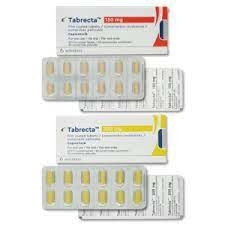
Capmatinib (Capmatinib, trade name Tabrecta) is a targeted therapy for patients with non-small cell lung cancer (NSCLC) with MET gene exon 14 skipping mutations. Although it has demonstrated significant therapeutic effects, its use may also be accompanied by a series of side effects. Understanding these side effects and corresponding coping strategies is crucial to improving patient treatment experience and safety.
1. Lung or breathing problems
Capmatinib may cause severe lung inflammation such as interstitial lung disease (ILD)/pneumonitis, and in rare cases may even lead to death. Therefore, patients need to pay close attention to their symptoms and inform their doctor immediately if they develop new or worsening symptoms such as cough, fever, difficulty breathing, or shortness of breath. Doctors will consider temporarily or permanently stopping capmatinib a treatment based on specific circumstances to avoid further deterioration of the condition.
Coping strategies: Regularly self-monitor respiratory conditions and seek medical advice promptly if any abnormalities occur; follow medical advice and conduct lung examinations on time; maintain good living habits, enhance immunity, and prevent respiratory infections.
2. Liver problems
Capmatinib may cause abnormal liver function, manifested by abnormal blood test results, such as elevated alanine aminotransferase (ALT) and aspartate aminotransferase (AST). In addition, symptoms such as jaundice, loss of appetite, dark urine, nausea and vomiting, light-colored stools, and abdominal discomfort may also be signs of liver problems.
Coping strategies: Get liver function tests before starting treatment and regularly during treatment; inform your doctor immediately if you have any signs of liver problems; your doctor may adjust the drug dose or temporarily or permanently stop treatment based on the test results.
3. Risk of sensitivity to sunlight (photosensitivity)
Patients should avoid prolonged exposure to sunlight while taking capmatinib to reduce the risk of photosensitivity reactions. Photosensitivity reactions may cause skin redness, itching, rash and other uncomfortable symptoms.
Coping strategies: Use sun protection measures such as sunscreen, long-sleeved clothing and hats; try to avoid outdoor activities at noon; if necessary, consult a dermatologist for more sun protection advice.
4. Other common side effects
In addition to the serious side effects mentioned above, capmatinib may also cause some more common side effects, such as swelling of hands or feet, nausea, fatigue and weakness, vomiting, loss of appetite, etc. These side effects are usually noticeable early in treatment and may gradually lessen as treatment progresses.
Coping strategies: Follow the doctor's instructions and take the medicine on time and in the right amount; maintain good living and eating habits to help reduce side effects; if you have any discomfort, communicate with medical staff in time and seek help.
In summary, capmatinib, as a targeted therapy, may cause some side effects, but through reasonable response strategies and the joint efforts of both doctors and patients, its adverse effects can be minimized and the patient's treatment experience and quality of life can be improved. Currently, there are many different versions of capmatinib on sale, with different prices. Patients are asked to make a choice based on their personal circumstances.
[ 免责声明 ] 本页面内容来自公开渠道(如FDA官网、Drugs官网、原研药厂官网等),仅供持有医疗专业资质的人员用于医学药学研究参考,不构成任何治疗建议或药品推荐。所涉药品可能未在中国大陆获批上市,不适用于中国境内销售和使用。如需治疗,请咨询正规医疗机构。本站不提供药品销售或代购服务。


