
.jpeg)
How effective is venetoclax in the treatment of acute myeloid leukemia?
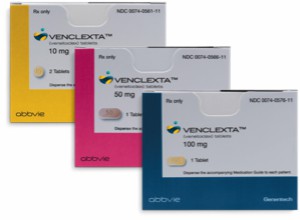
Venetoclax (Venetoclax) is an oral anti-cancer drug targeting the BCL-2 protein. In recent years, it has shown significant results in the treatment of acute myeloid leukemia (AML). AML is a hematological tumor with high malignancy and poor prognosis. Traditional treatments such as chemotherapy are often accompanied by high toxicity and recurrence rates. Therefore, finding new treatment options is crucial to improve patient outcomes.
1. Treatment Mechanism
The mechanism of action of venetoclax is to promote cell apoptosis by inhibiting the function ofBCL-2 protein. BCL-2 is overexpressed in a variety of cancers, especially in AML, and can inhibit the apoptosis of tumor cells, allowing them to survive and continue to proliferate. By inhibiting this protein, venetoclax makes cancer cells more susceptible to death, especially when combined with other chemotherapy drugs.
2. Clinical study results
In clinical trials of acute myeloid leukemia, the efficacy of venetoclax has been widely recognized. According to the study, patients who received venetoclax in combination with azacitidine or decitabine showed significant improvements in complete response rates (CR) and overall survival (OS). Data show that this combination treatment can significantly improve the treatment response rate compared with traditional chemotherapy regimens.
In a pivotal clinical study, approximately67%of patients who received venetoclax in combination with azacitidine achieved a complete response and the treatment was well tolerated. Especially for patients with NPM1 gene mutations, the effect of venetoclax is more prominent, showing a high complete remission rate and durable therapeutic effect.
3. Treatment options for patients with drug resistance and relapse
Venetoclax also shows good efficacy in patients with relapsedAML who have previously received chemotherapy but whose disease cannot be controlled. Many patients still fail to achieve the desired treatment response after multiple treatments, and venetoclax can be used as a second- or third-line treatment option to effectively control the disease and prolong survival. Studies have shown that venetoclax can also achieve a high rate of complete remission in patients with relapsed AML.
4. Side Effects and Monitoring
Although venetoclax has significant anti-cancer effects, its use is also associated with certain side effects, the most common of which include tumor lysis syndrome (TLS), increased risk of infection, and cytopenias. In the early stages of treatment, patients need to undergo strict monitoring to prevent the occurrence of TLS. In clinical practice, the risk of TLS can be effectively reduced through rehydration and electrolyte monitoring. In addition, doctors will adjust the drug dosage based on the patient's blood routine results to ensure safe use.
5. The prospect of personalized treatment
As the biology ofAML is better understood, the application of venetoclax may become more personalized. Genetic test results can help doctors determine which patients are more suitable for venetoclax and develop personalized treatment plans. Future studies will also focus on the possibility of combining venetoclax with other targeted drugs or immunotherapies in order to further improve the therapeutic effect.
In general, venetoclax has shown good results in the treatment of acute myeloid leukemia, especially when used in combination with other drugs, it can significantly improve the complete remission rate and survival of patients. Although there are some side effects, with proper monitoring and management, most patients can use this drug safely. In the future, with in-depth research on the biology of AML, venetoclax is expected to become one of the standard options for treating AML, bringing hope to more patients.
[ 免责声明 ] 本页面内容来自公开渠道(如FDA官网、Drugs官网、原研药厂官网等),仅供持有医疗专业资质的人员用于医学药学研究参考,不构成任何治疗建议或药品推荐。所涉药品可能未在中国大陆获批上市,不适用于中国境内销售和使用。如需治疗,请咨询正规医疗机构。本站不提供药品销售或代购服务。


