
.jpeg)
How long does it take to become resistant to sotoraxib and how to solve it?
Sotorasib (Sotorasib), a lung cancer targeted therapy targeting KRAS G12C mutations, has opened up a new treatment approach for patients with non-small cell lung cancer. However, with the prolongation of treatment time, the problem of drug resistance has become increasingly prominent, becoming a major problem in long-term treatment management. This article aims to provide an in-depth look at the resistance challenges of sotoraxib and its long-term treatment management strategies.
1. Brief description of drug resistance time
The resistance time to sotoraxib varies among individual patients and is affected by a variety of factors, including the patient's physical condition, severity of the disease, and adjustments to the treatment plan. Therefore, prediction and management of time to resistance require individualized considerations for each patient.
2. Resistance Mechanism
The resistance mechanism of sotoraxib involves multiple levels, among which mutations at the gene level and reactivation of signaling pathways are the main factors. In patients with acquired drug resistance, secondary mutations other than KRAS G12C can often be detected, and these mutations may cause drug failure. In addition, the reactivation of upstream RTKs, KRAS and downstream signaling pathways is also an important compensatory mechanism, further exacerbating the development of drug resistance.
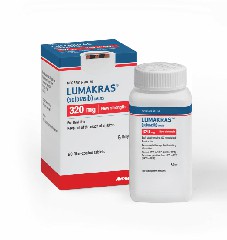
1. Long-term treatment and management strategies
1. Regular monitoring and evaluation: Patients should regularly undergo tumor markers, imaging examinations, etc. to accurately evaluate disease progression and drug efficacy. Once signs of resistance are found, the treatment plan should be adjusted immediately to ensure the effectiveness of the treatment.
2. Combination drug regimen: For patients who are resistant to sotoraxib, other targeted drugs or immunotherapy can be considered to extend the disease control time and improve the treatment effect.
3. Personalized treatment plan: Develop a personalized treatment plan based on the patient’s genetic test results and disease characteristics. For patients with specific genetic mutations, drugs targeting these mutations can be used for precise treatment.
4. Comprehensive supportive treatment: Along with drug treatment, attention should be paid to patients’ nutritional support, psychological intervention, and pain management to comprehensively improve the patient’s quality of life.
In summary, sotorasiib provides a new treatment option for lung cancer patients with KRAS G12C mutations. However, drug resistance remains a major challenge in long-term treatment management. Through comprehensive measures such as regular monitoring, combined medication, personalized treatment and supportive treatment, patients' survival time and quality of life can be effectively prolonged. Looking to the future, with the continuous in-depth research on drug resistance mechanisms and the continuous development of new drugs, it is believed that more effective treatment strategies will be applied in clinical practice and bring longer-term benefits to patients.
[ 免责声明 ] 本页面内容来自公开渠道(如FDA官网、Drugs官网、原研药厂官网等),仅供持有医疗专业资质的人员用于医学药学研究参考,不构成任何治疗建议或药品推荐。所涉药品可能未在中国大陆获批上市,不适用于中国境内销售和使用。如需治疗,请咨询正规医疗机构。本站不提供药品销售或代购服务。


